


Sustainability is no longer a nice-to-have for Australian businesses and shopping centres. It is a fundamental expectation — from customers, from investors, from regulatory bodies, and from the communities that retail and commercial properties serve.
For property managers, centre managers, and business operators, furniture procurement is one area where sustainability decisions can make a genuine and measurable difference. The materials chosen, the suppliers engaged, the lifespan of the products purchased, and the waste solutions installed all contribute to the environmental footprint of a commercial space.
This guide is designed to help Australian shopping centres and businesses make more environmentally responsible commercial furniture choices — without sacrificing design quality or performance.
Why Sustainable Furniture Procurement Matters
The commercial furniture industry generates significant environmental impact — from raw material extraction and manufacturing through to transportation, installation, and eventual disposal. When shopping centres and businesses purchase furniture without considering sustainability, they contribute to:
– High volumes of manufacturing waste
– Carbon emissions from long international supply chains
– Short product lifecycles that result in furniture ending up in landfill prematurely
– The use of materials with high embodied energy and toxic finishes
Conversely, when organisations make thoughtful, sustainability-conscious furniture procurement decisions, they can significantly reduce their environmental impact while also achieving better long-term value — because sustainable furniture is typically also more durable furniture.
What to Look for When Choosing Sustainable Commercial Furniture
Material choices
The materials used in commercial furniture have a significant impact on its environmental footprint. Look for furniture that uses:
– Recycled or recyclable materials — including recycled steel, recycled plastics, and reclaimed timber
– Low embodied energy materials — materials that require less energy to produce and process
– Responsibly sourced timber — look for FSC (Forest Stewardship Council) certified timber
– Low VOC (Volatile Organic Compound) finishes — particularly important for indoor air quality in offices and educational facilities
– Materials that can be disassembled and recycled at end of life rather than going to landfill
Durability and longevity
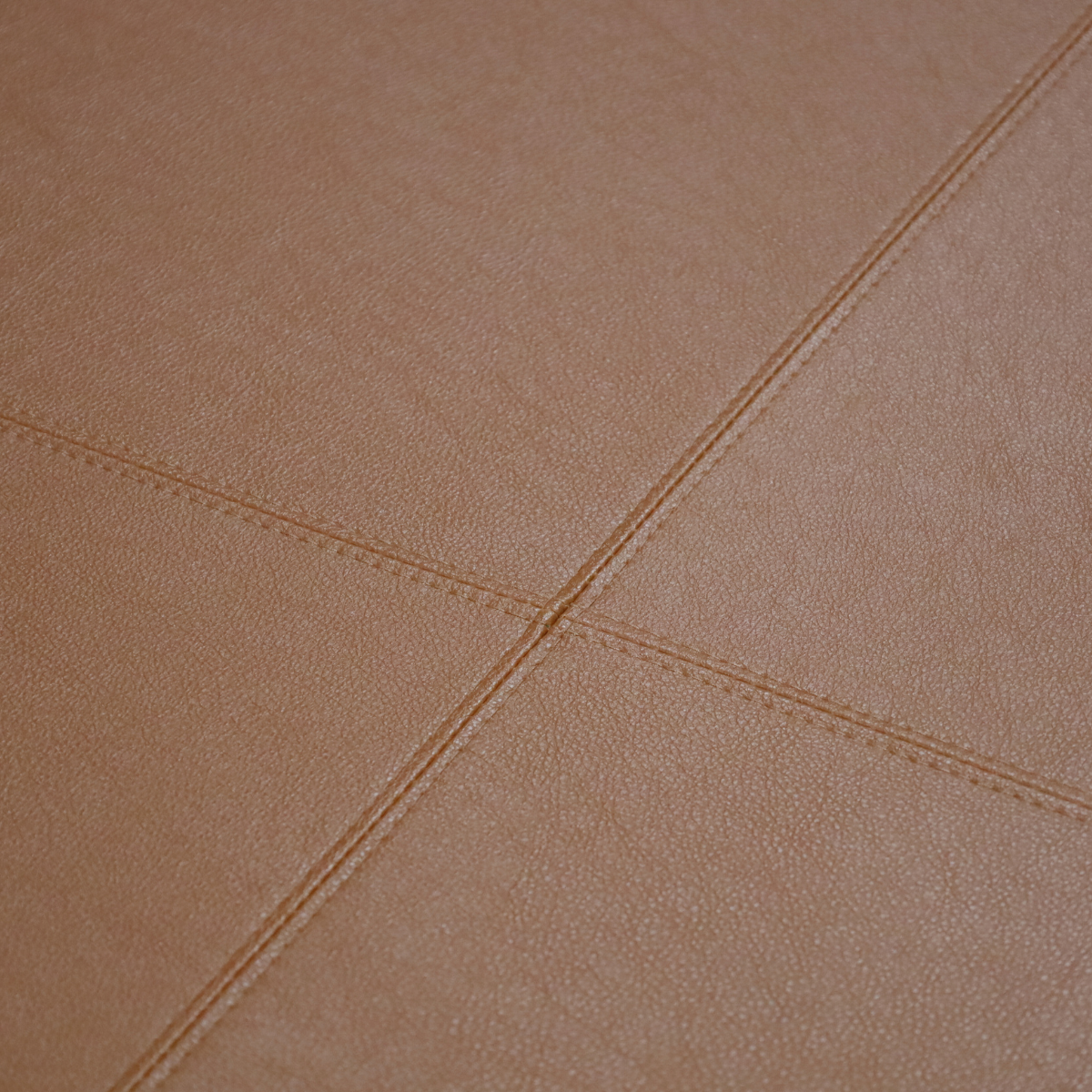
The most sustainable furniture is furniture that lasts. A chair that costs twice as much but lasts three times as long is both more economical and more sustainable than a cheaper option that needs replacing in three years. When evaluating commercial furniture, prioritise durability ratings, material quality, and manufacturer warranties as key sustainability indicators.
Local manufacturing
Australian-manufactured furniture has a significantly lower transport carbon footprint than imported furniture shipped from Europe or Asia. Choosing locally manufactured commercial furniture also supports the Australian manufacturing sector and allows for shorter lead times and easier warranty and repair support.
Repairability
Furniture that can be repaired and refurbished rather than replaced entirely is inherently more sustainable. Look for suppliers who offer replacement parts, reupholstery services, and refurbishment options that extend the life of your furniture beyond its initial purchase.
Certifications
Look for commercial furniture with recognised environmental certifications including Greenguard, ECO 5, and AFRDI ratings that confirm the product meets specific environmental and performance standards.
The Role of Recycling Bins in Shopping Centre Sustainability
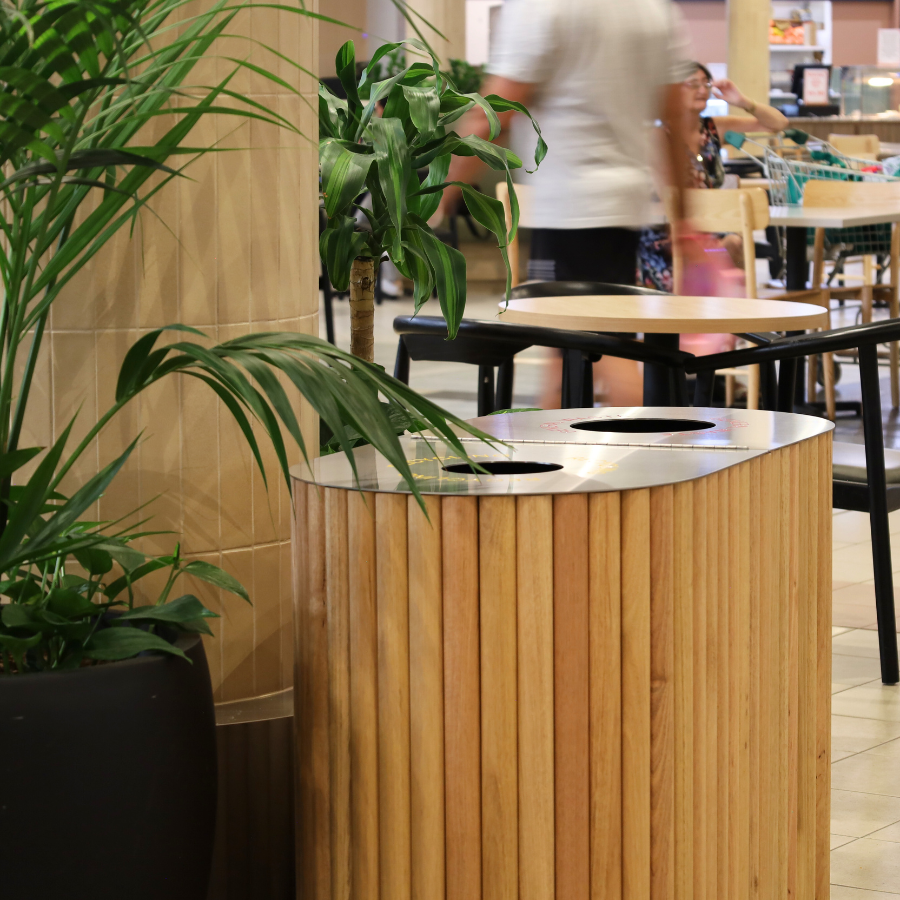
For shopping centres, waste management is one of the most visible and impactful sustainability initiatives available. The right commercial recycling bins make it easy for customers to sort and separate their waste correctly — reducing the volume of recyclable material going to landfill and demonstrating the centre’s environmental commitment in a visible and practical way.
Key considerations for shopping centre recycling bins:
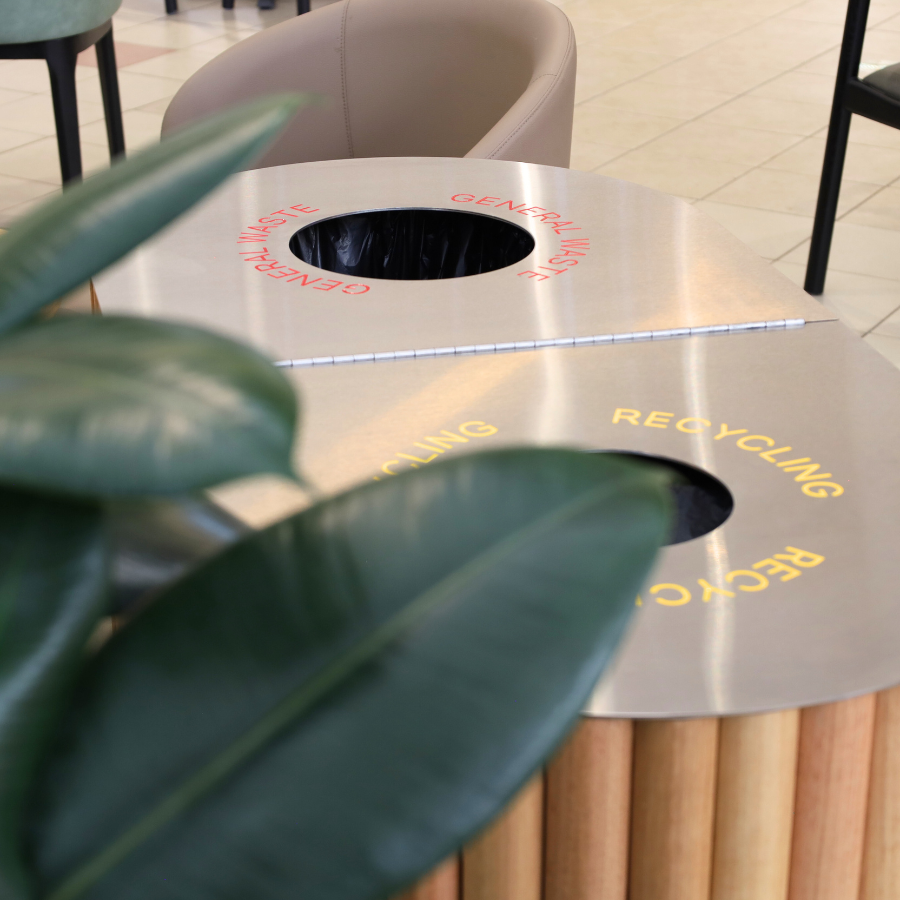
– Multi-stream configurations — single, double, and triple-stream bins that clearly distinguish between general waste, recycling, and compostable materials
– Clear signage and apertures — bins need to make it visually obvious which stream each waste type should go into, otherwise customers default to general waste
– High capacity — food court bins in particular need high-capacity liners to handle peak periods without overflowing
– Easy servicing — bins should allow cleaning staff to quickly empty and clean them during trade without disrupting the customer environment
– Design integration — bins that are custom finished to complement the surrounding furniture and architecture are more likely to be respected and used correctly by customers
Sustainable Furniture in Practice — The Refurbishment Approach
One of the most sustainable furniture decisions a shopping centre or business can make is to refurbish and upgrade existing furniture rather than replacing it entirely. This approach:
– Reduces the volume of furniture going to landfill
– Lowers the carbon footprint of the project compared to full replacement
– Reduces procurement costs
– Preserves existing furniture investments where the structure is still sound
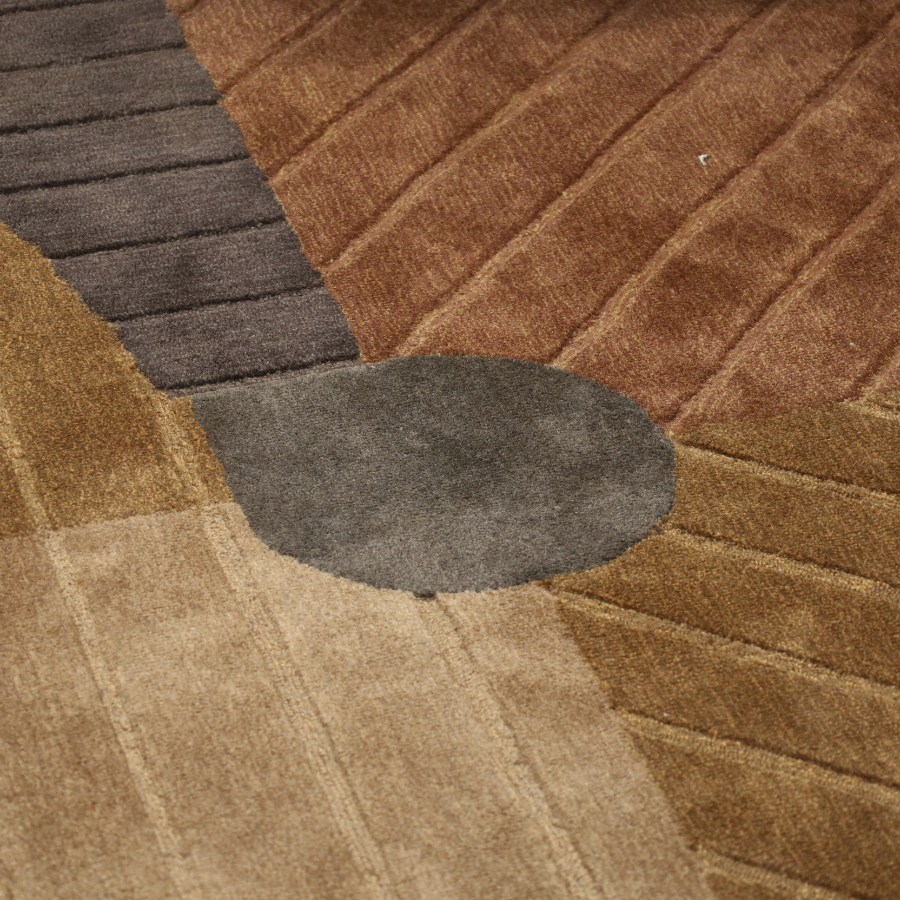
Sustainable refurbishment might include reupholstering existing seating in fresh fabrics, refinishing table tops with updated materials, or upgrading bin cladding to match a new centre design direction — all without the environmental cost of full replacement.
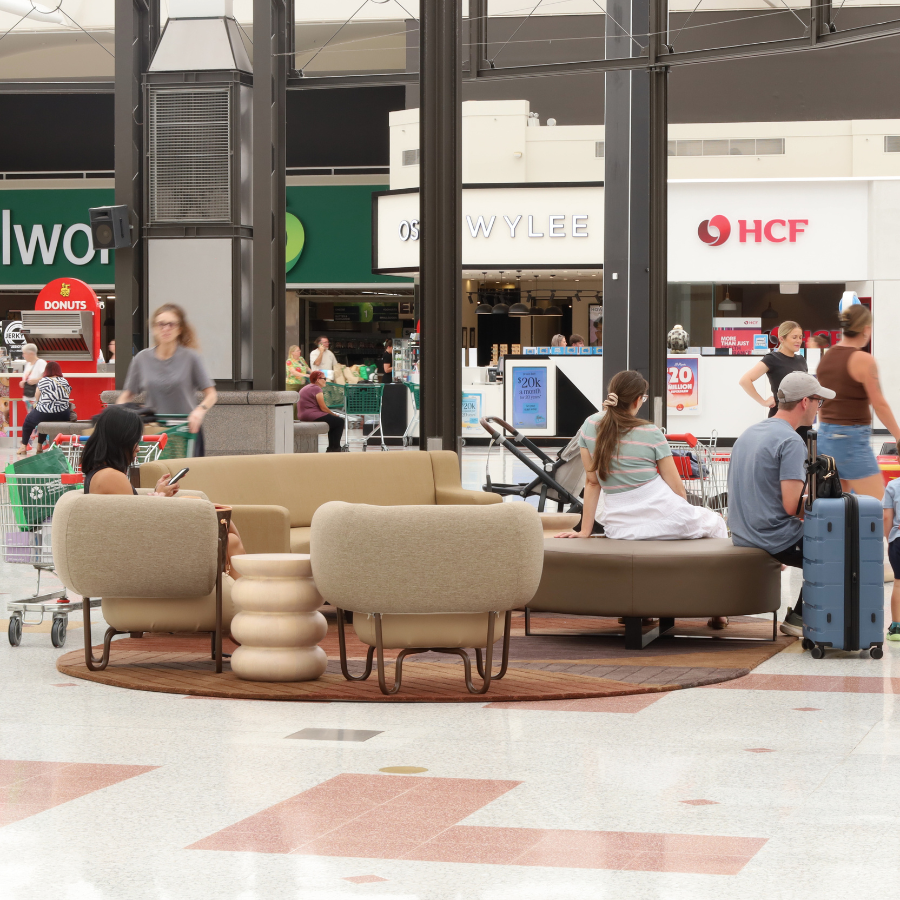

How Lain Approaches Sustainability
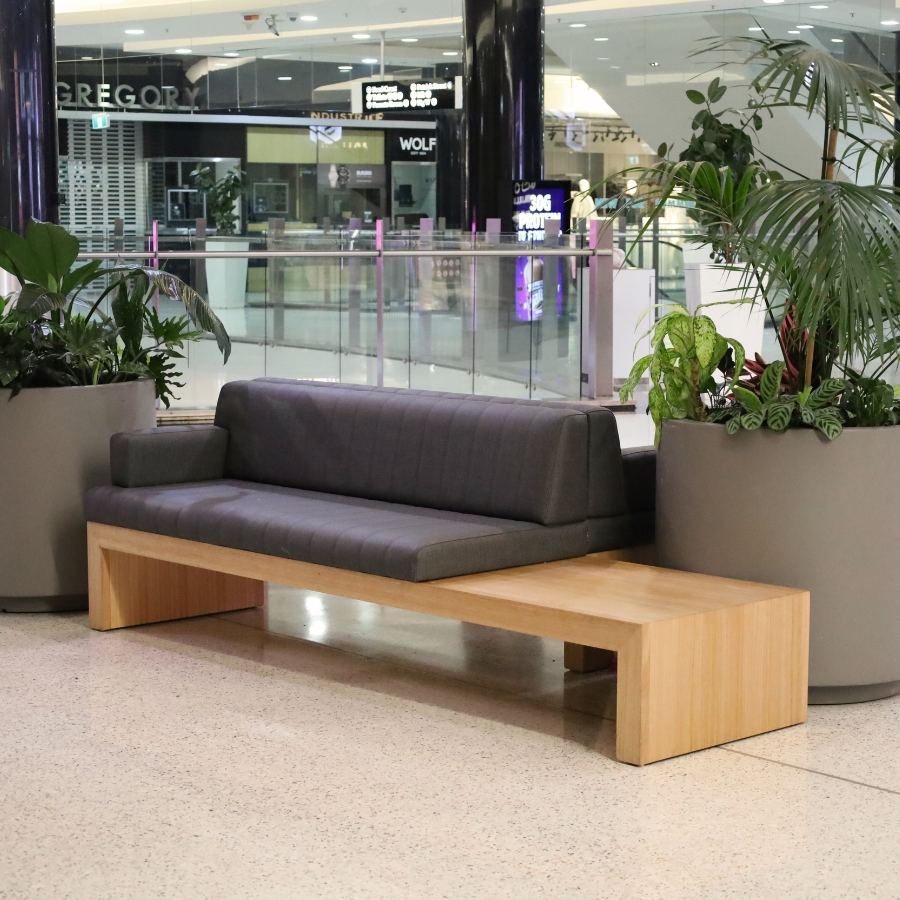
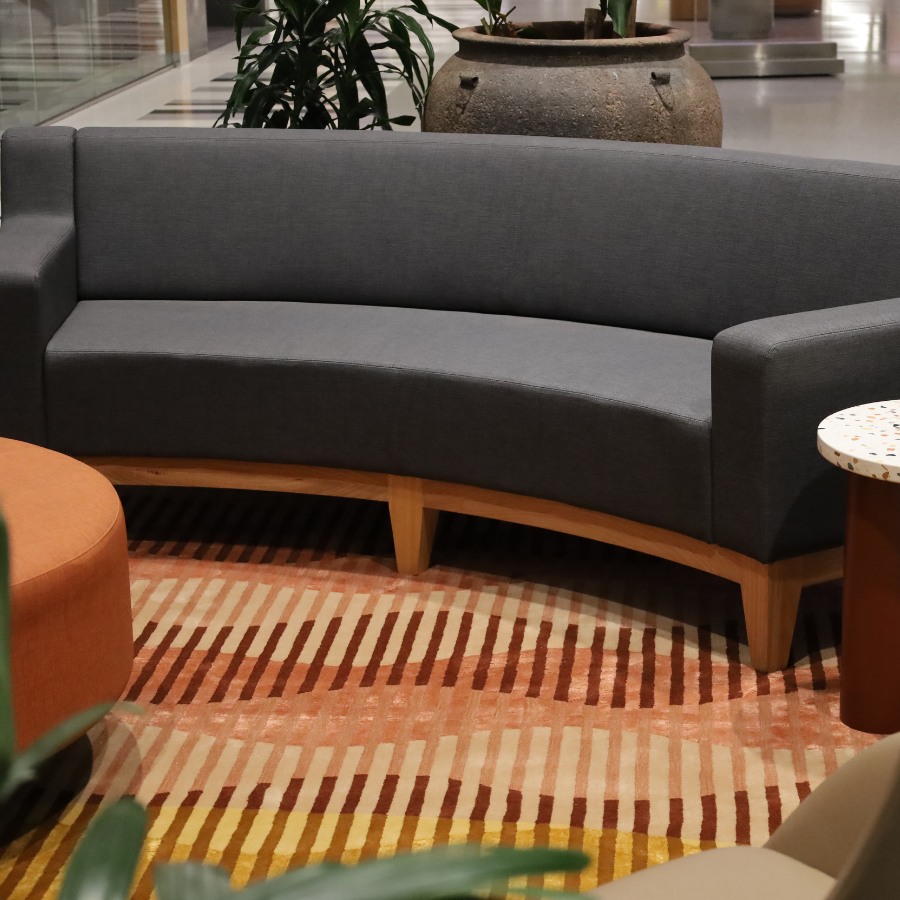
At Lain, sustainability is central to how we design, source, and manufacture commercial furniture. Our approach includes:
– Actively seeking to use low embodied energy and recyclable materials across our product range
– Australian manufacturing capability that reduces transport carbon footprint for locally made products
– A commitment to minimising manufacturing waste — and recycling by-products where waste cannot be eliminated
– A recycling and waste bin range that supports the sustainability goals of shopping centres and retail environments
– Collaboration with architects and designers to develop refurbishment solutions that extend the life of existing furniture
FAQ
Q: What does sustainable commercial furniture actually mean?
A: Sustainable commercial furniture refers to furniture that has been designed, manufactured, and sourced with consideration for its environmental impact across its full lifecycle — from raw material extraction and manufacturing through to installation, use, and end of life disposal. Sustainable furniture typically uses recycled or responsibly sourced materials, is built to last, has a low carbon footprint, and can be repaired or recycled rather than going to landfill.
Q: Does sustainable furniture cost more?
A: Sustainable commercial furniture can have a higher upfront purchase price than lower-quality alternatives, but it almost always delivers better long-term value. Durable, sustainably made furniture lasts significantly longer than cheaper options — reducing replacement costs, procurement effort, and the environmental impact of furniture going to landfill prematurely. When evaluated over a ten-year lifecycle rather than just the initial purchase price, sustainable furniture is typically more economical.
Q: What certifications should I look for in sustainable commercial furniture?
A: Key certifications to look for in the Australian market include Greenguard (low chemical emissions, particularly important for educational and healthcare environments), ECO 5 (environmental rating system for commercial furniture), AFRDI (Australian Furnishing Research and Development Institute — confirms durability and safety performance), and FSC certification for timber products (confirms responsibly sourced timber).
Q: How can shopping centres reduce furniture waste?
A: Shopping centres can reduce furniture waste by choosing durable commercial-grade furniture that lasts longer, engaging suppliers who offer refurbishment and repair services, opting for refurbishment over full replacement where existing furniture is structurally sound, and selecting furniture made from recyclable materials that can be responsibly disposed of at end of life.
Q: What is the most sustainable type of commercial bin for a shopping centre?
A: The most sustainable shopping centre bin solution is one that effectively supports waste separation — typically a double or triple-stream configuration that clearly separates general waste, recycling, and where relevant, compostable materials. High-capacity bins reduce the frequency of servicing, and custom-finished bins that integrate with the centre’s design are more likely to be used correctly by customers — directly improving the centre’s recycling rates and diverting more material from landfill.
Q: How do I know if a furniture supplier is genuinely committed to sustainability?
A: Look for suppliers who can provide specific, verifiable information about their sustainability practices — including the materials they use, any relevant certifications, their manufacturing processes, and their approach to packaging and delivery. Be cautious of vague sustainability claims without supporting evidence. A genuinely sustainability-committed supplier will be able to answer detailed questions about their environmental practices and point to specific initiatives and certifications that support their claims.
