


What is shopping centre furniture?
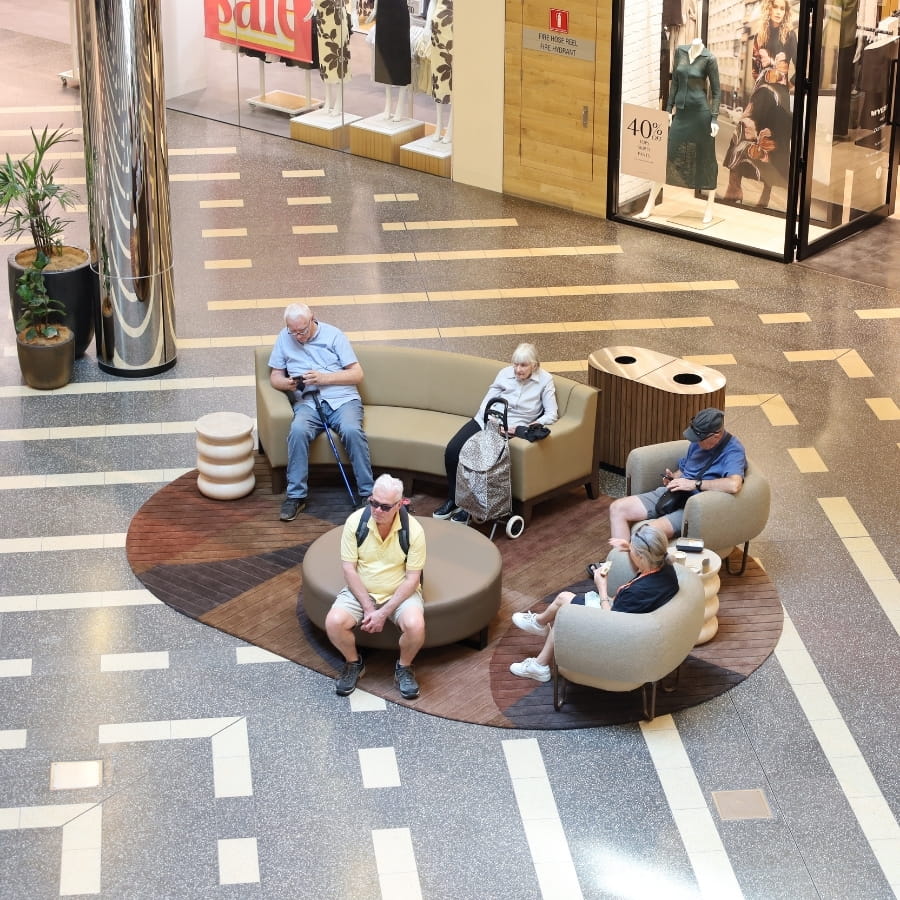
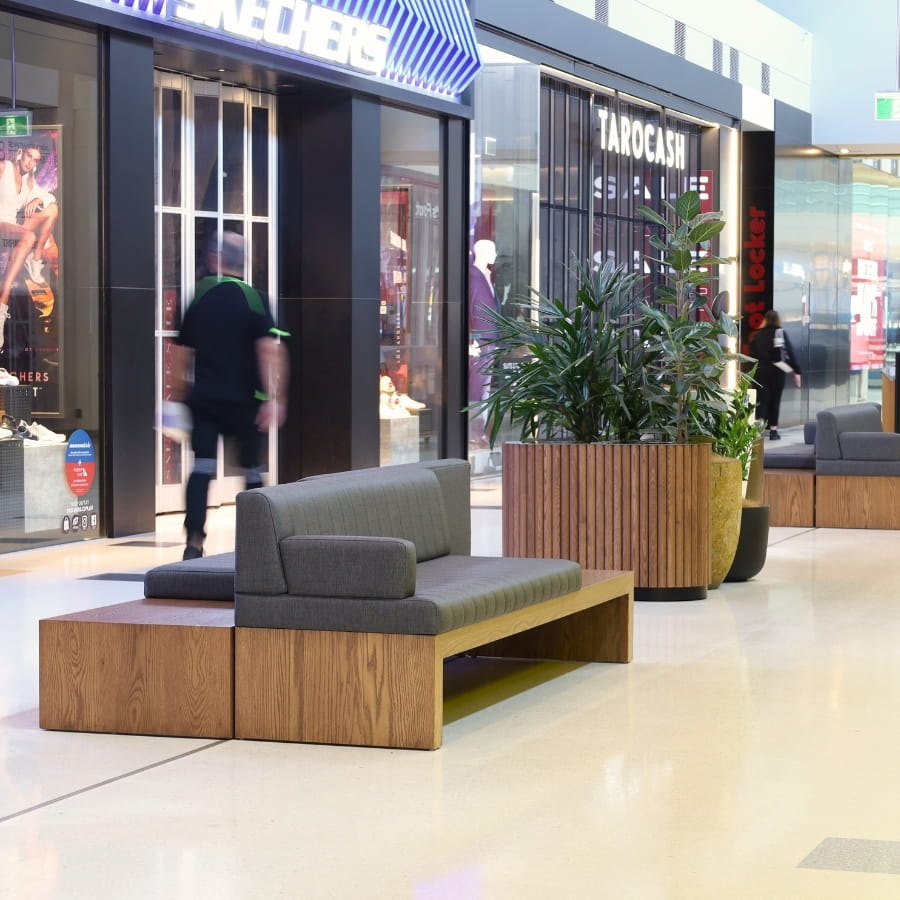
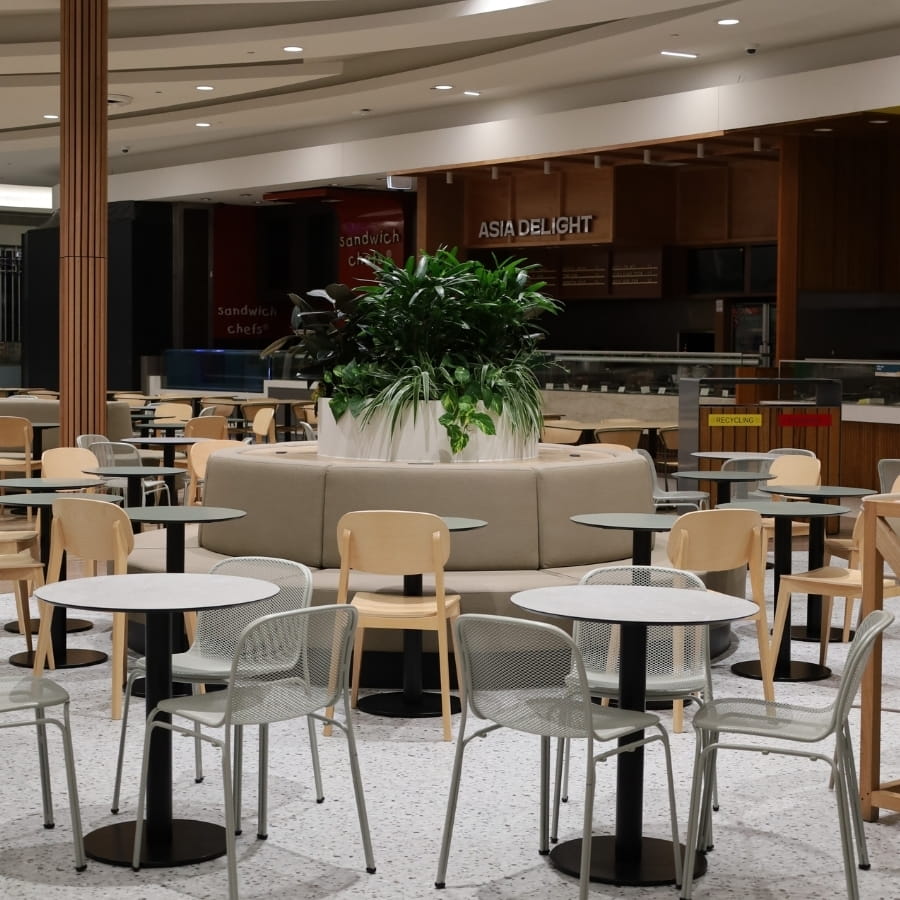
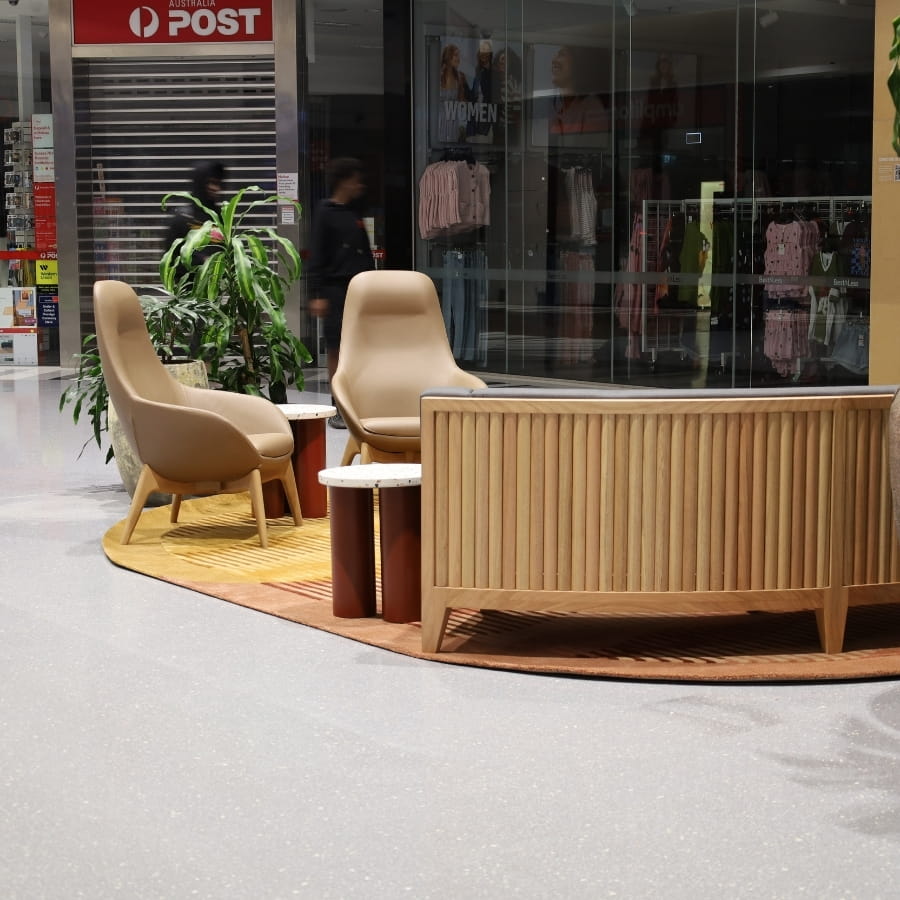
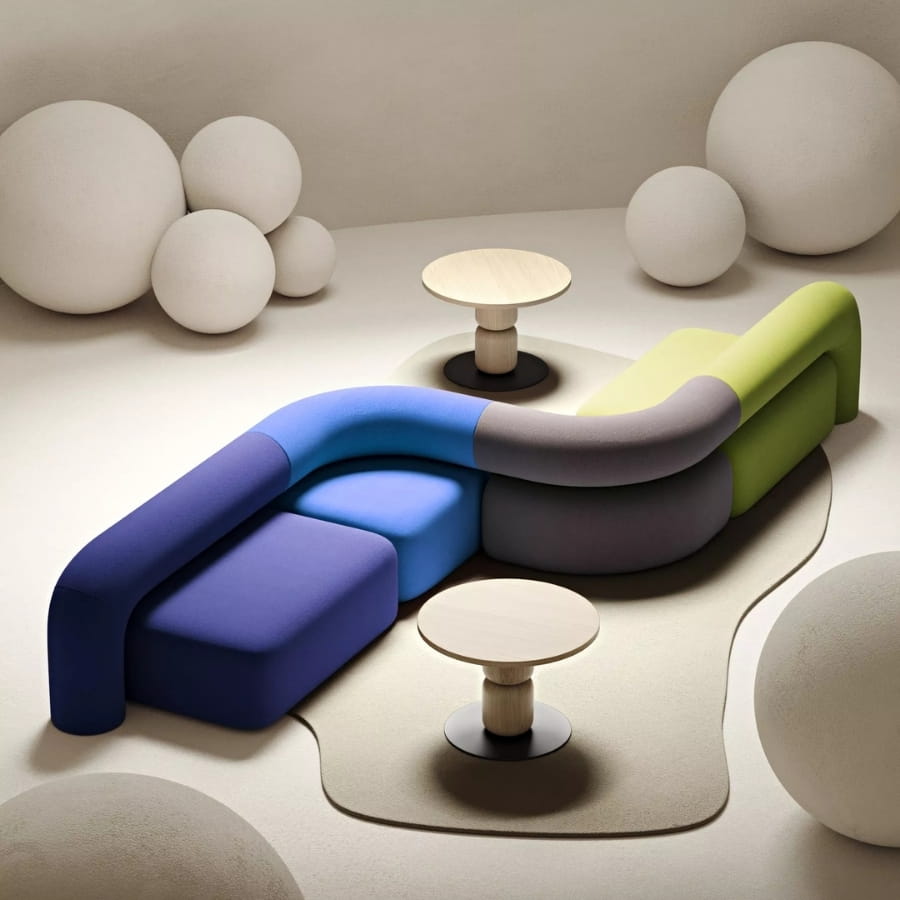
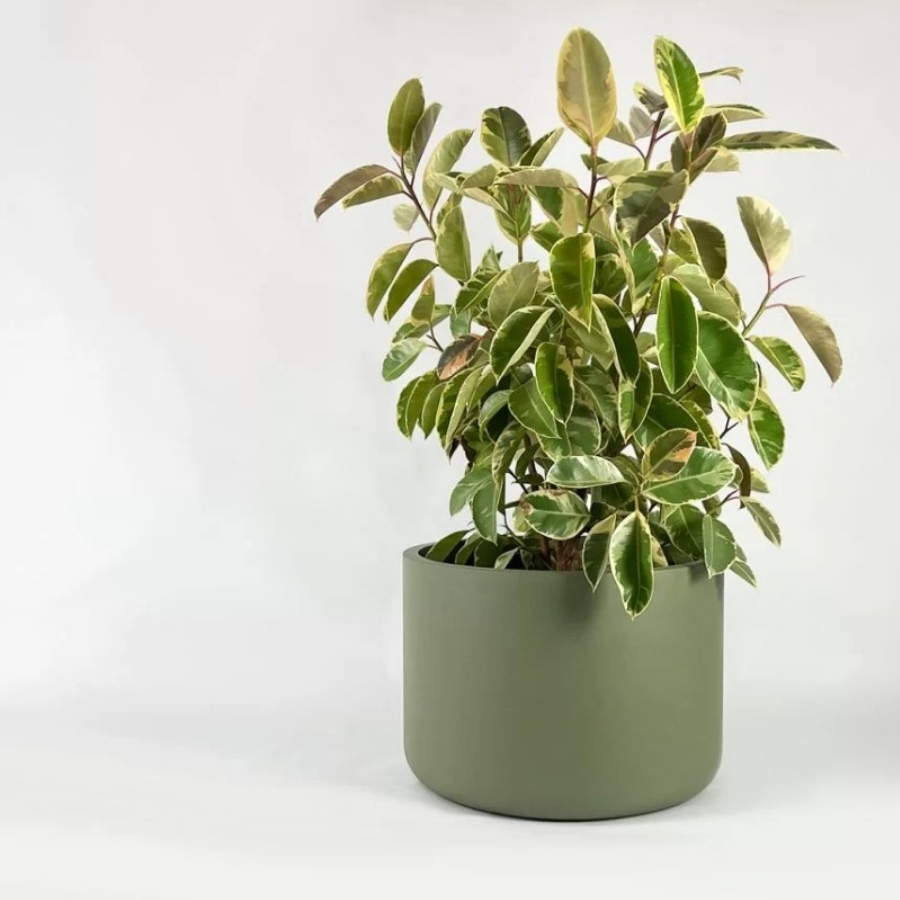
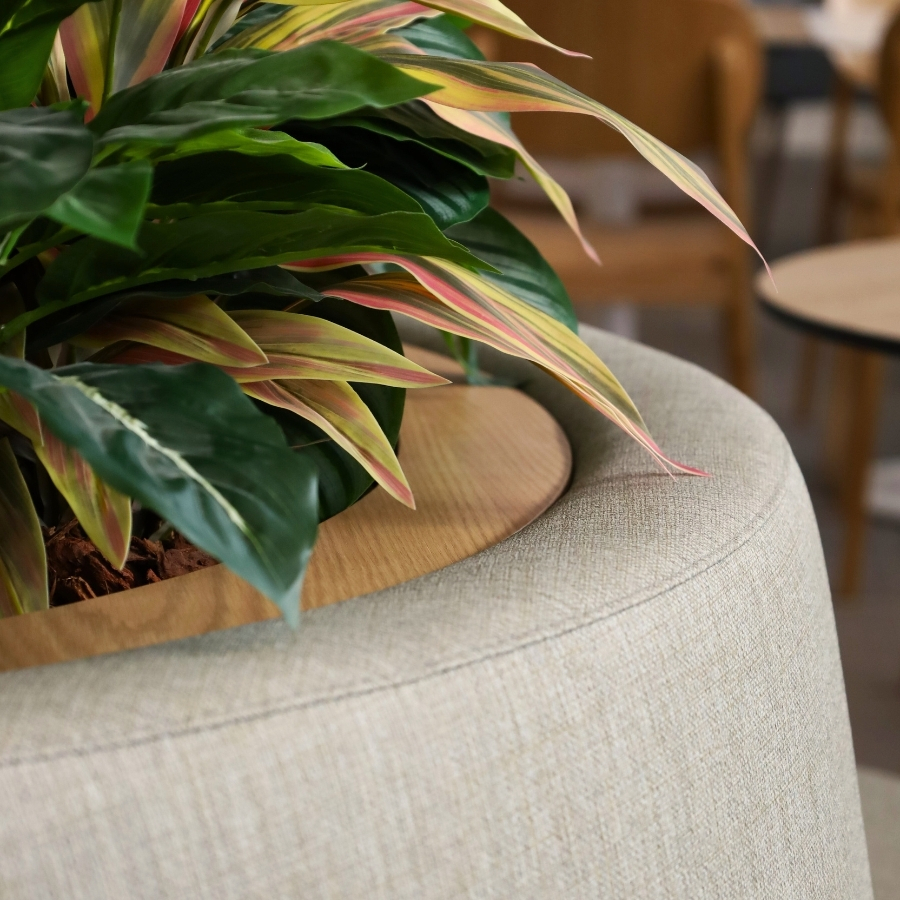
Shopping centre furniture is the loose and built-in furniture used across mall common areas, food courts and thoroughfares — including food court tables and chairs, lounge and booth seating, bench seating, planters, waste bins and custom joinery. It is specified for high-traffic public use, so durability, easy cleaning and commercial certification matter far more than in residential or light-commercial settings.

What is the difference between mall furniture and food court furniture?
Mall furniture refers to seating, planters and bins in common areas and thoroughfares, where comfort and dwell time are the priority. Food court furniture is built for rapid turnover and constant cleaning — commercial dining chairs, food court tables and banquettes that withstand spills, heavy daily use and frequent sanitising. Many centres use a coordinated palette across both so the spaces read as one destination.
How long does shopping centre furniture take to deliver in Australia?
Lead times vary by supplier and product. Imported-only ranges can run 12–22 weeks and are exposed to shipping delays. Australian-manufactured furniture, combined with a stocked short-lead-time range, can deliver key pieces far faster — which is critical when a centre’s reopening date is fixed. Always confirm lead times against your specific completion date before specifying.
Can shopping centre furniture be custom made?
Yes. Hero pieces such as food court banquette islands, feature seating and integrated joinery are usually custom made to the project brief. Suppliers with local Australian manufacturing can produce and revise bespoke pieces without the long round-trip that imported-only suppliers face, giving you more design freedom and tighter control over the programme.
How durable does shopping centre furniture need to be?
It needs to be rated for high-traffic public use — significantly more demanding than hospitality or office settings. Look for furniture that is independently tested and certified for commercial environments, with finishes that resist scuffing, fading and cleaning chemicals. Ask the supplier for the actual test and certification data rather than accepting durability claims at face value.
What should I look for in a shopping centre furniture supplier?
Prioritise five things: proven durability and commercial certification; lead times that hold to your programme; genuine custom manufacturing capability; contemporary, design-led product; and documented sustainability credentials. A supplier that manufactures in Australia can usually offer better lead-time reliability and customisation than an importer reselling catalogue ranges.
Is Australian-made shopping centre furniture better than imported?
For retail programmes, local manufacturing has clear advantages: shorter and more reliable lead times, the ability to revise custom pieces quickly, and local after-install support. Pairing Australian manufacturing with European design gives you furniture that is both contemporary and deliverable — without the freight risk that comes with imported-only ranges.
Does Lain supply furniture for shopping centres across Australia?
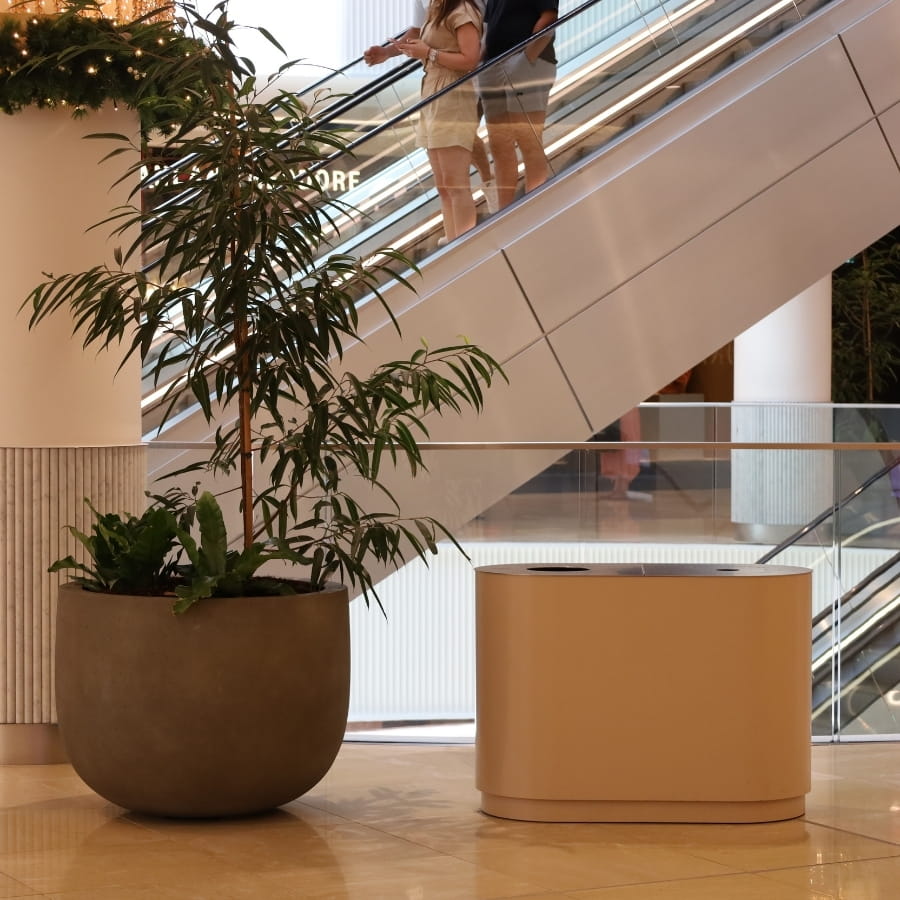
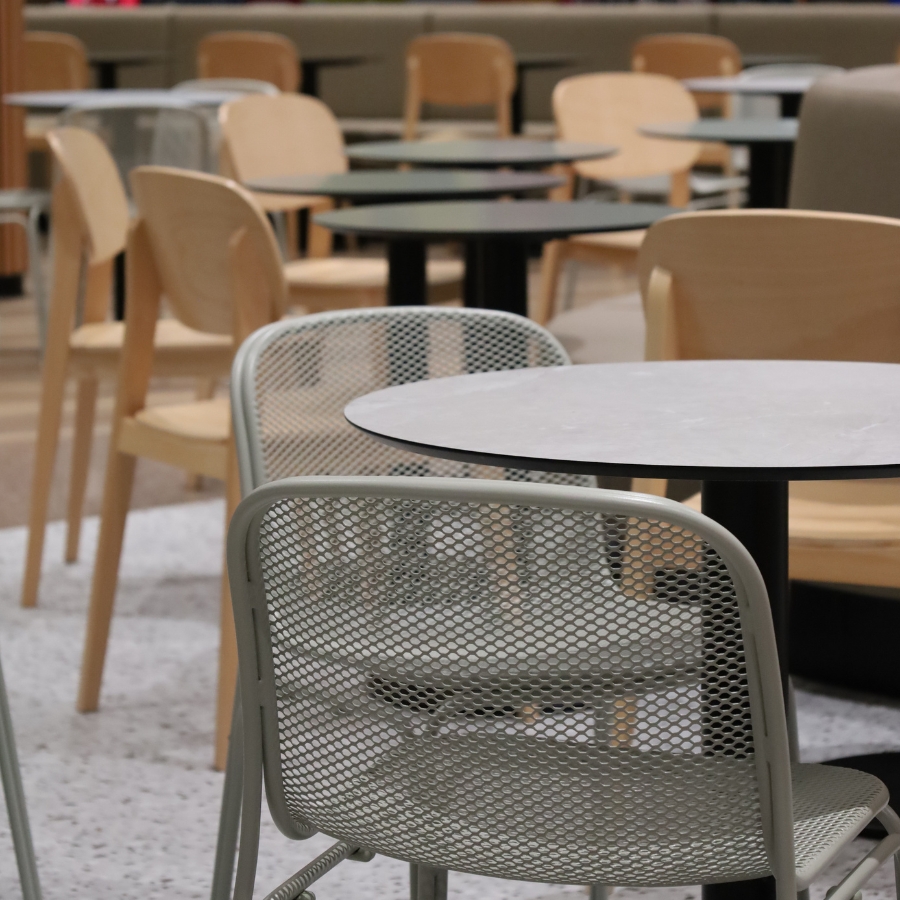
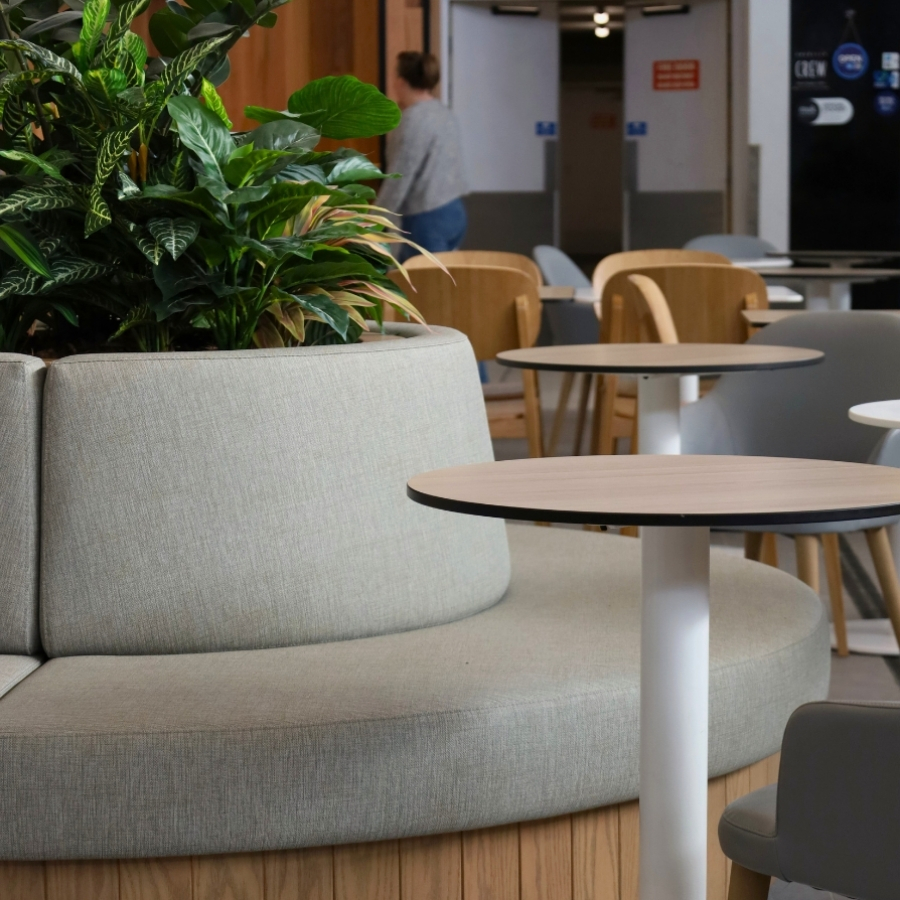
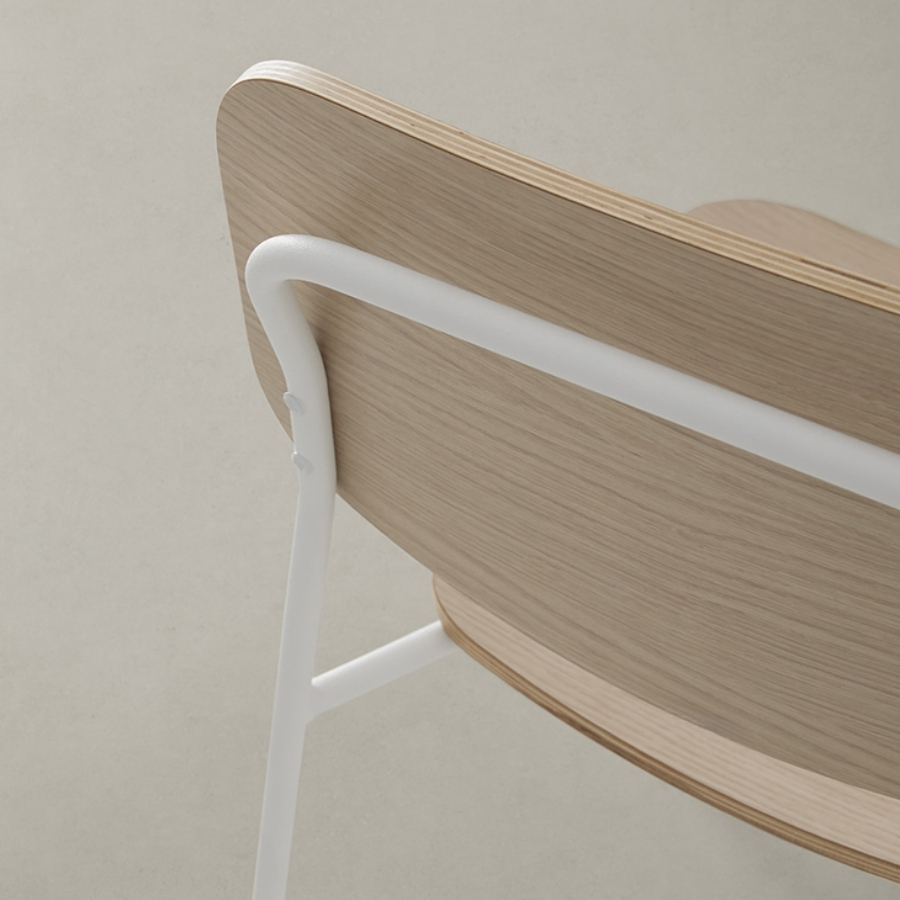
Yes. Lain designs and manufactures commercial furniture for shopping centres, food courts and mall common areas across Australia, including custom seating, food court tables, banquettes, planters, waste bins and joinery — backed by a short-lead-time stocked range for projects on tight programmes.
Can Lain provide Revit and 3D files for specification?
Yes. A full suite of Revit and 3D files for Lain’s commercial furniture collections can be provided on request, to simplify documentation for architects and interior designers.
