


A food court refurbishment is one of the highest-impact upgrades a shopping centre can make — and one of the easiest to get wrong on programme. The space has to keep trading (or close for the shortest possible window), the furniture has to land on a fixed date, and the result has to lift dwell time and spend, not just look new. This guide walks centre managers and retail project teams through planning a food court refurbishment: the decisions that matter, the lead-time traps, and how to stage the works so trading and the build don’t collide.
Why food court furniture is a category of its own
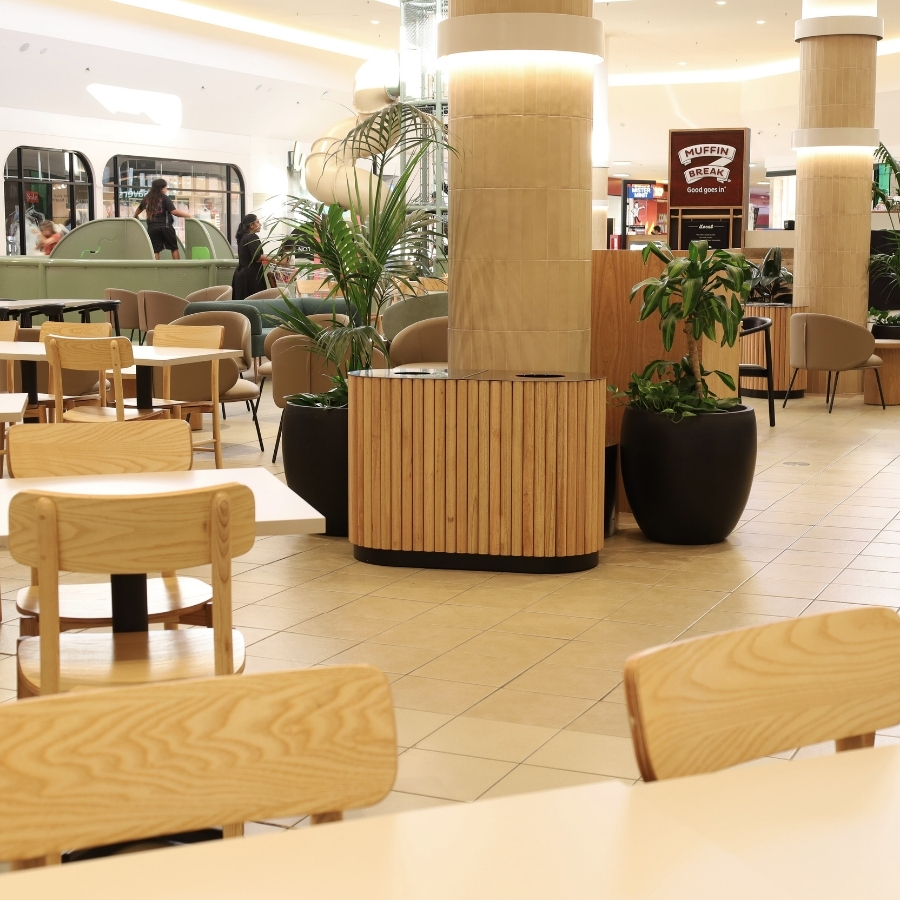
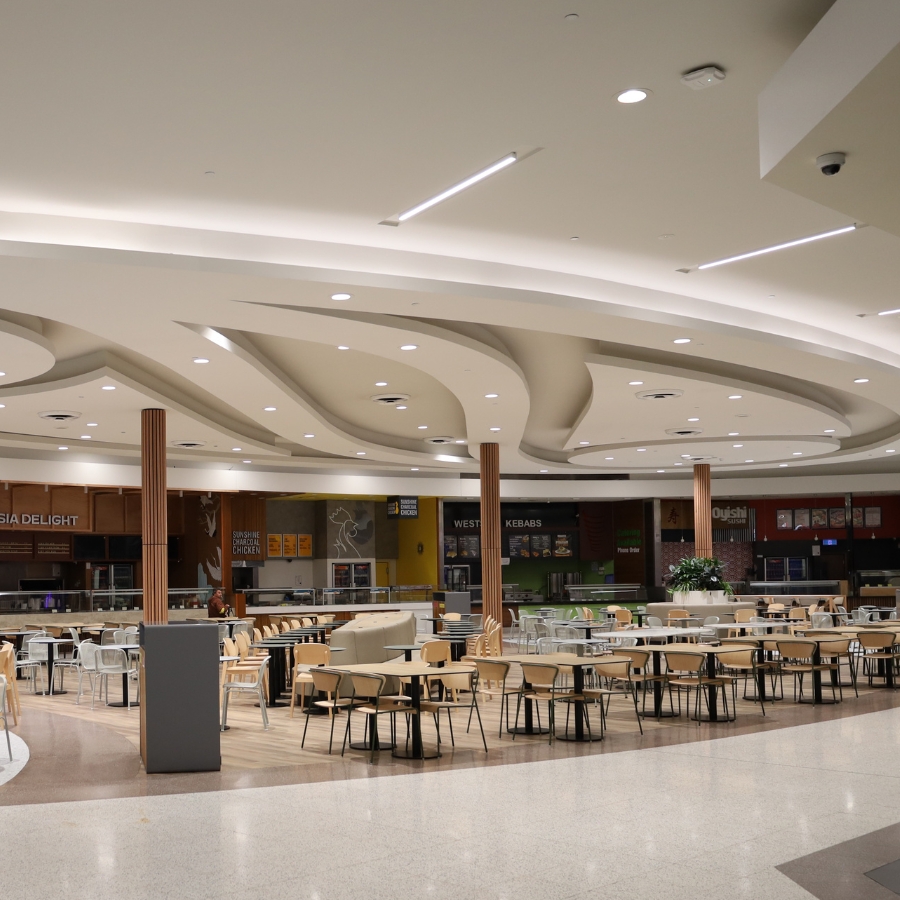
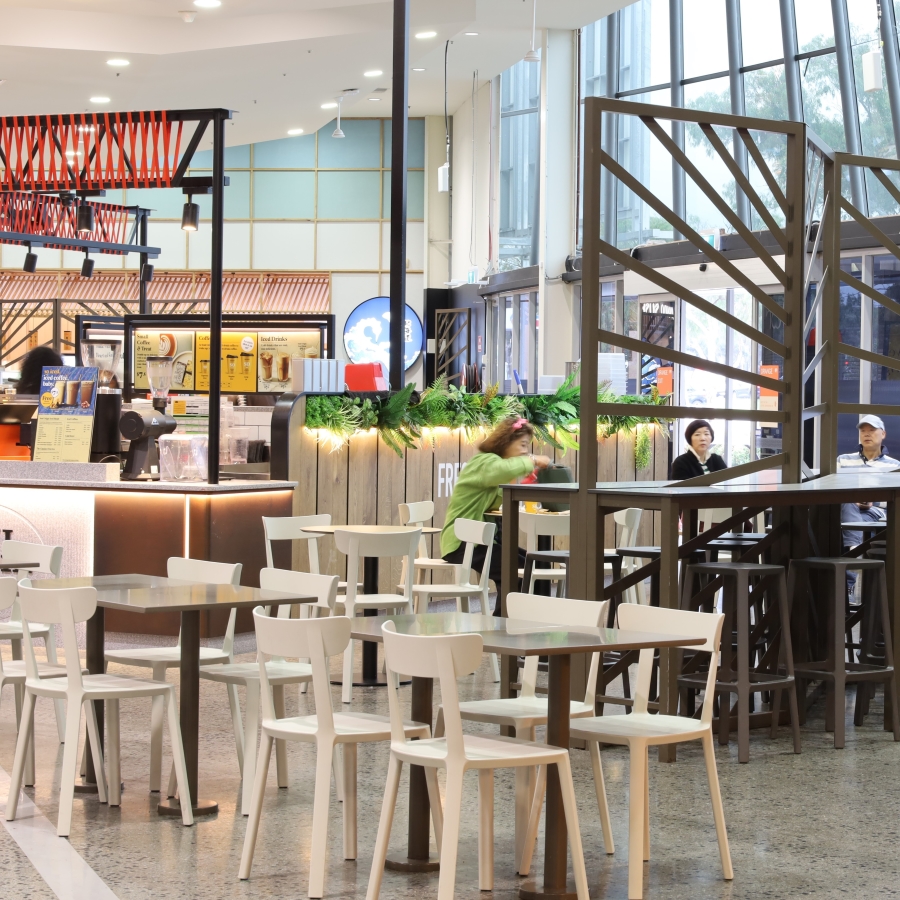
Food court furniture works harder than almost any other commercial seating. It sees constant turnover, daily heavy cleaning, food and drink spills, and thousands of users a week. Specifying it like hospitality or office furniture is a common mistake — the durability, cleanability and structural requirements are higher. The core pieces to plan for:
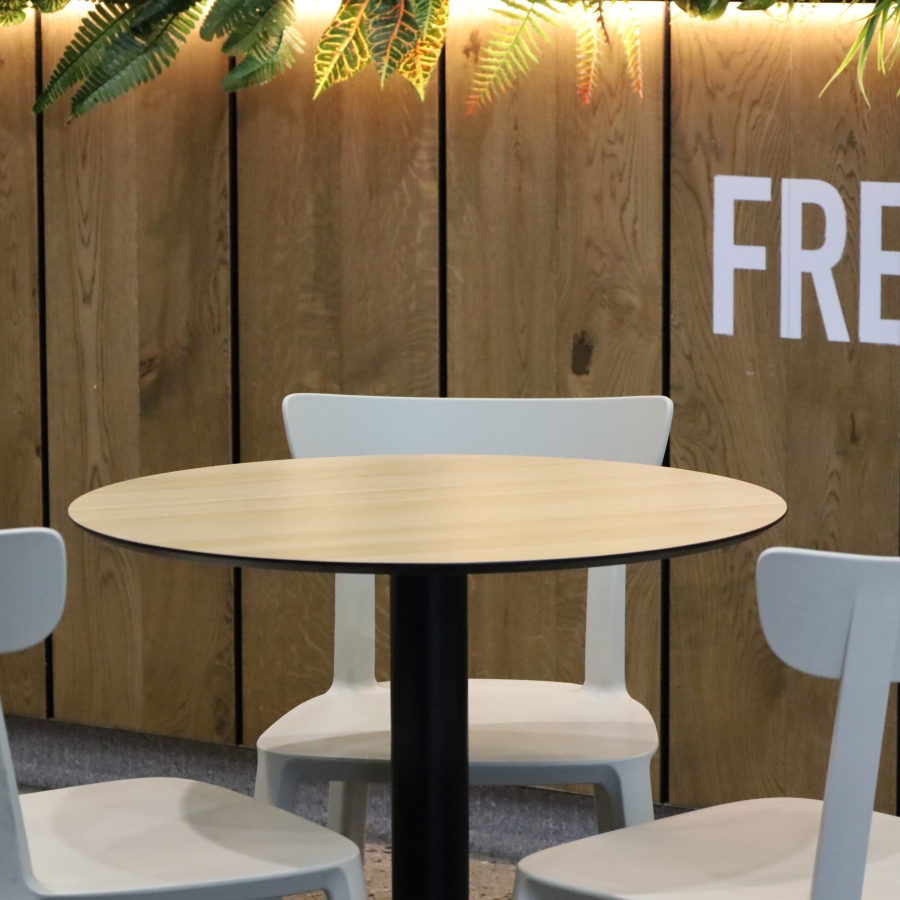
– Food court tables — robust, easy-clean tops and stable bases rated for continuous public use.
– Dining chairs and stools — commercial-grade, stackable where flexibility matters, with finishes that resist scuffing and cleaning chemicals.
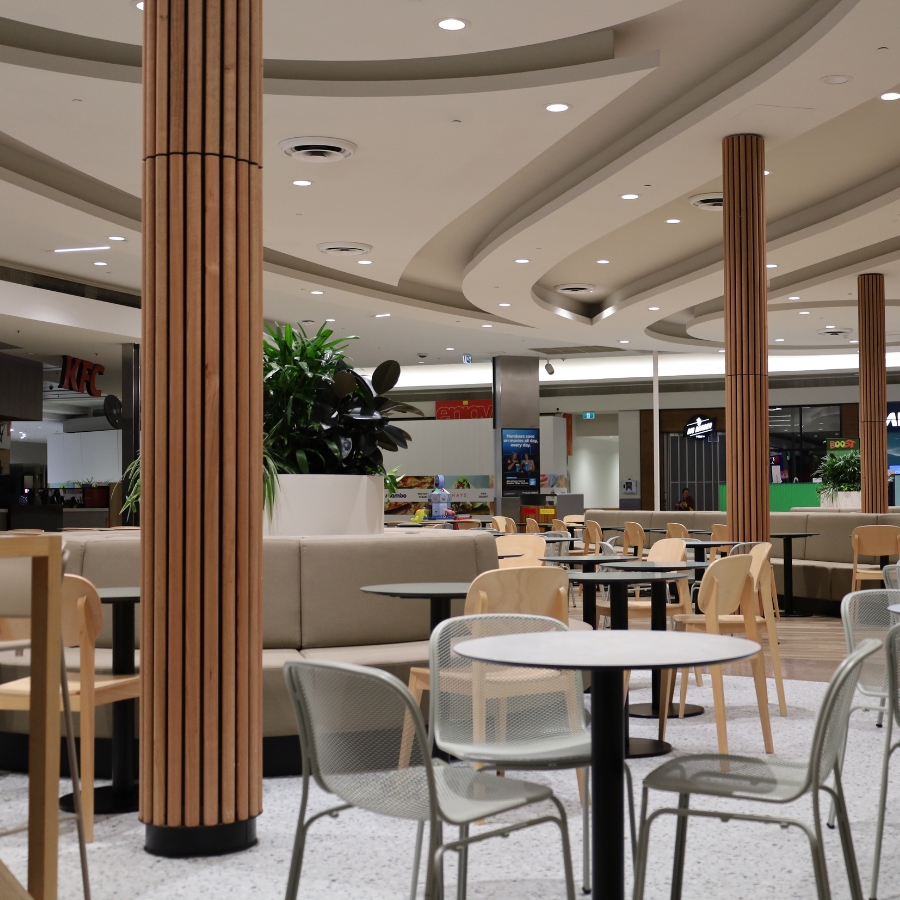
– Banquette and booth seating — often the hero pieces, defining zones and increasing capacity along walls and edges.
– Communal tables — flexible seating that suits both individuals and groups and lifts effective capacity.
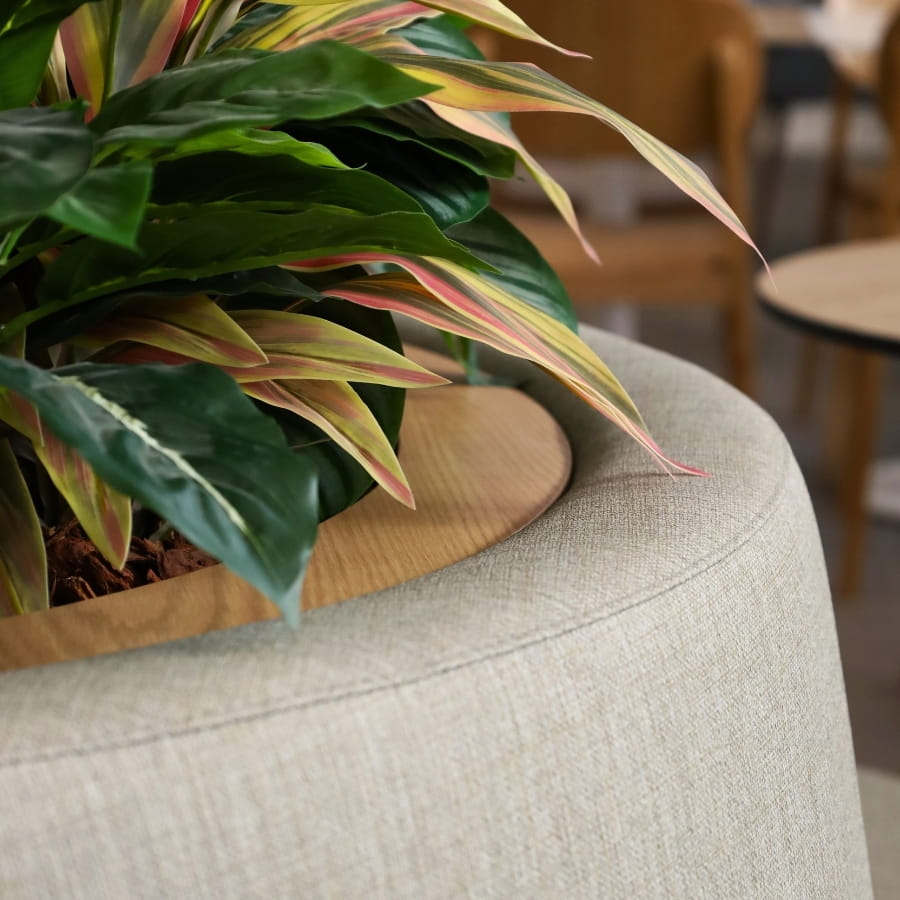
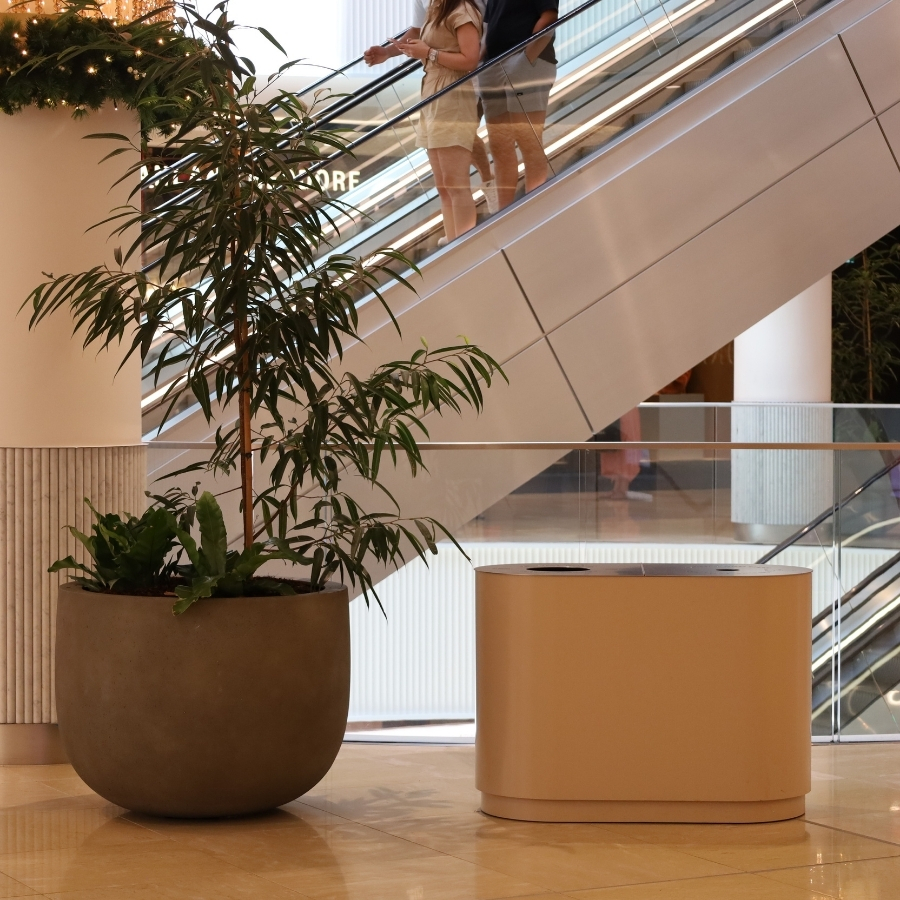
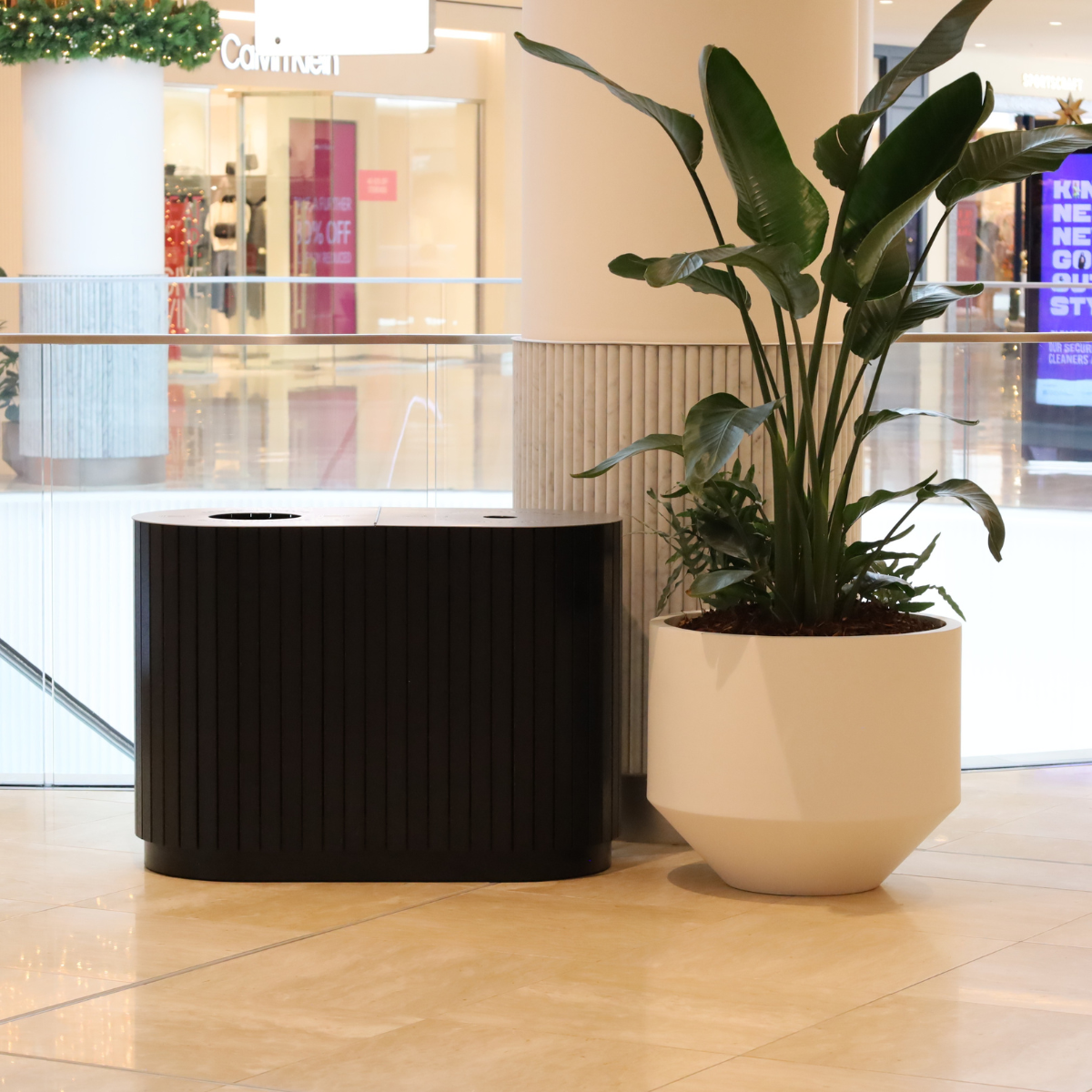
– Planters — to soften the space, define circulation and add greenery that lifts dwell time.
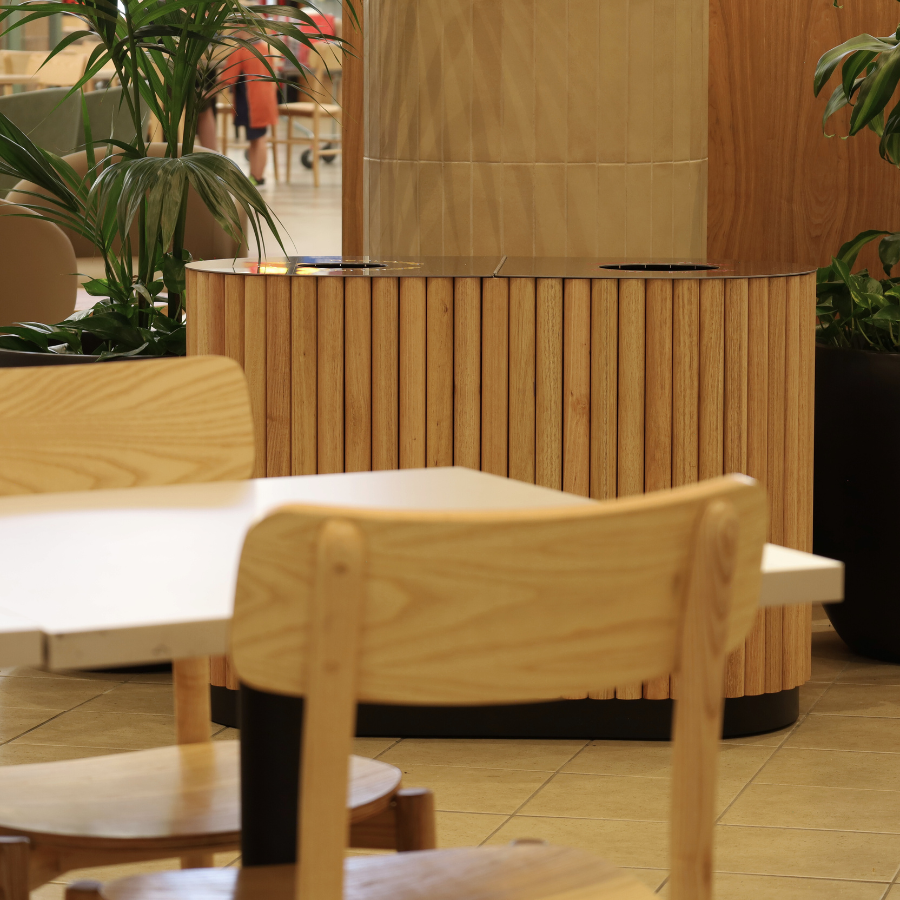
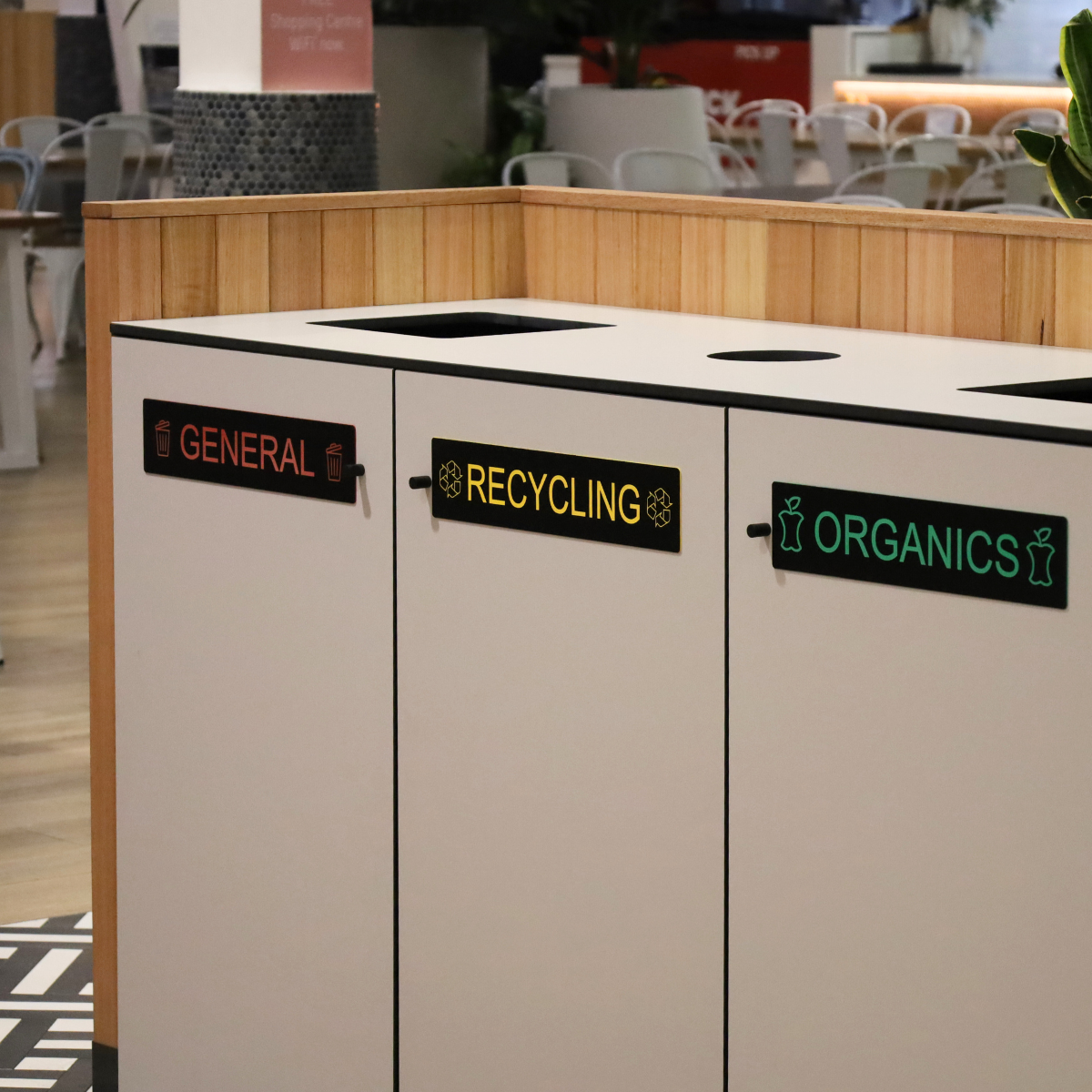
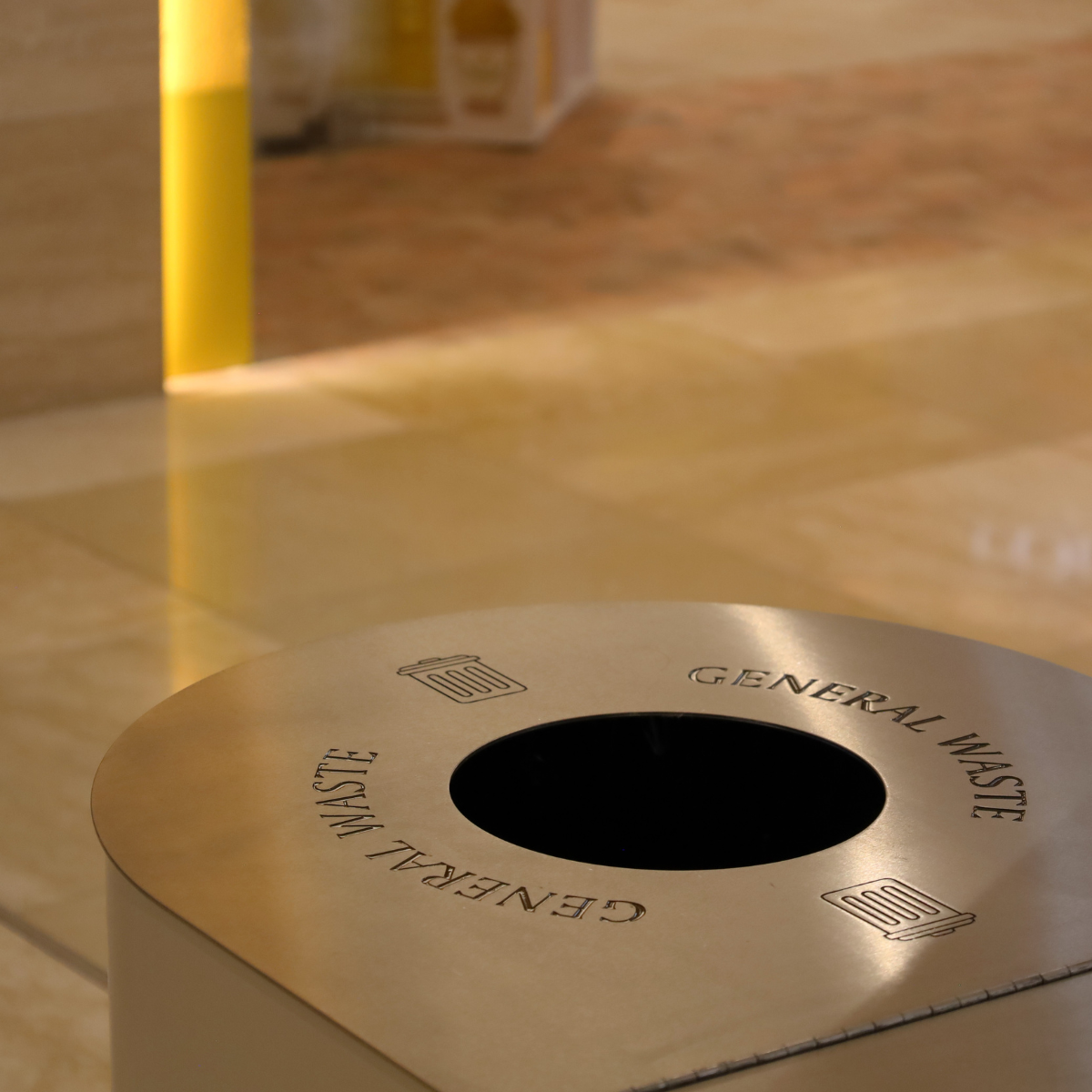
– Waste and recycling units — integrated or coordinated with the furniture palette rather than added as an afterthought.
The decisions that shape the whole project
1. Trading strategy: stay open, partial close, or full close
The single biggest driver of programme and cost is how much the food court keeps trading during works. A full close is fastest but hits rental income and tenant relationships; staged works keep trading but extend the programme and demand careful sequencing. Decide this early, because it determines everything downstream — including how furniture is delivered and installed.
2. The completion date is fixed — so work backwards from it
Reopening dates in retail rarely move. That means furniture lead times have to be confirmed against the date before anything is specified. Imported-only ranges can run 14–22 weeks and carry shipping risk; a refurbishment on a tight programme is exactly where that risk bites. Locally manufactured furniture, plus a stocked short-lead-time range for the pieces you need fast, is what protects the reopening date.
3. Capacity and layout
A refurbishment is the moment to rethink seat count and mix — more communal seating, more banquettes along edges, better circulation. Model the capacity you need against peak trading, not average, and brief your furniture supplier with seat counts and zones rather than just an aesthetic.
4. Design that lifts dwell time
Food courts are increasingly destinations, not just refuelling stops. Contemporary, considered furniture — varied seating types, greenery, comfortable lounge zones alongside dining — keeps people in the centre longer, which is the metric that matters to the landlord. Design-led furniture earns its place commercially, not just visually.
5. Sustainability the landlord can document
Property groups increasingly require environmental credentials behind a furniture package — low embodied-energy materials, recyclable components, and documentation a sustainability consultant can rely on. Build this into the brief from the start rather than retrofitting a claim at the end.
Staging the works around trading
Where the food court keeps trading, sequencing is everything:
– Zone the works — refurbish in sections so part of the seating stays available while another is being fitted out.
– Schedule deliveries to the programme — coordinate furniture dispatch so pieces arrive as each zone is ready, not all at once into a live trading floor.
– Use after-hours installation — install during non-trading hours where possible to minimise disruption.
– Hold a short-lead-time buffer — having access to stocked pieces means a delay in one element doesn’t stall the reopening.
This is where a furniture partner’s flexibility matters most. A supplier who manufactures locally can adjust, replace or top up an order without a 12-week round trip — the difference between absorbing a hiccup and missing a reopening.
A food court refurbishment planning checklist
1.Confirm the trading strategy (open / partial / full close) and the fixed reopening date.
2.Set the seat count, zones and seating mix against peak trading.
3.Brief the furniture supplier with counts, zones, design intent and sustainability requirements.
4.Confirm lead times and certification against the programme before specifying.
5.Sequence deliveries and installation around trading hours.
6.Keep a short-lead-time buffer for the pieces most exposed to delay.
How Lain delivers food court refurbishments
Lain designs and manufactures commercial furniture for shopping centre food courts across Australia — food court tables, dining chairs, banquette and booth seating, communal tables, planters and waste units, made to the project brief. Our Australian manufacturing capability and short-lead-time stocked range mean furniture lands on programme, and our collections are tested and certified for high-traffic commercial use. We work directly with centre managers and project teams to plan capacity, sequence deliveries around trading, and deliver a food court that lifts dwell time and holds up over years of public use.
Planning a food court refurbishment? See Lain’s shopping centre projects or contact the team to discuss lead times and the right furniture package for your reopening date.
