


The way Australians work has changed fundamentally. Fixed desks, assigned seating, and rows of identical workstations are giving way to flexible, people-centred workplaces that support different working styles, collaboration needs, and personal preferences throughout the day.
Activity Based Working — or ABW — is the philosophy behind this shift. And the furniture that fills an ABW workplace is what makes the difference between a space that genuinely works and one that simply looks good in a render.
This guide explains what Activity Based Working actually means, how to design the different zones that make it successful, and what furniture to choose for each one.
What is Activity Based Working?
Activity Based Working is a workplace design philosophy that provides employees with a variety of different work settings — rather than one assigned desk — so they can choose the environment that best suits the task they are working on at any given time.
Rather than sitting at the same desk for eight hours regardless of what they are doing, employees in an ABW workplace might spend the morning in a focused quiet zone working independently, move to a collaboration zone for a team meeting, take a casual catch-up in a breakout lounge, and finish the afternoon at a standing desk or high table.
The result — when done well — is a more engaged, productive, and satisfied workforce, and a more efficiently utilised office footprint.

The Key Zones in an Activity Based Working Office
A successful ABW workplace is made up of several distinct zones, each designed for a different type of work. Here is what each zone needs and what furniture works best:
Focus Zones
Focus zones are designed for deep, uninterrupted individual work — writing, analysis, coding, or any task that requires sustained concentration. They should be quieter, more private, and removed from the noise of collaboration areas. Furniture for focus zones includes individual workstations or desks, task chairs with good ergonomic support, and acoustic screens or panels that provide a sense of enclosure without full walls.
Collaboration Zones
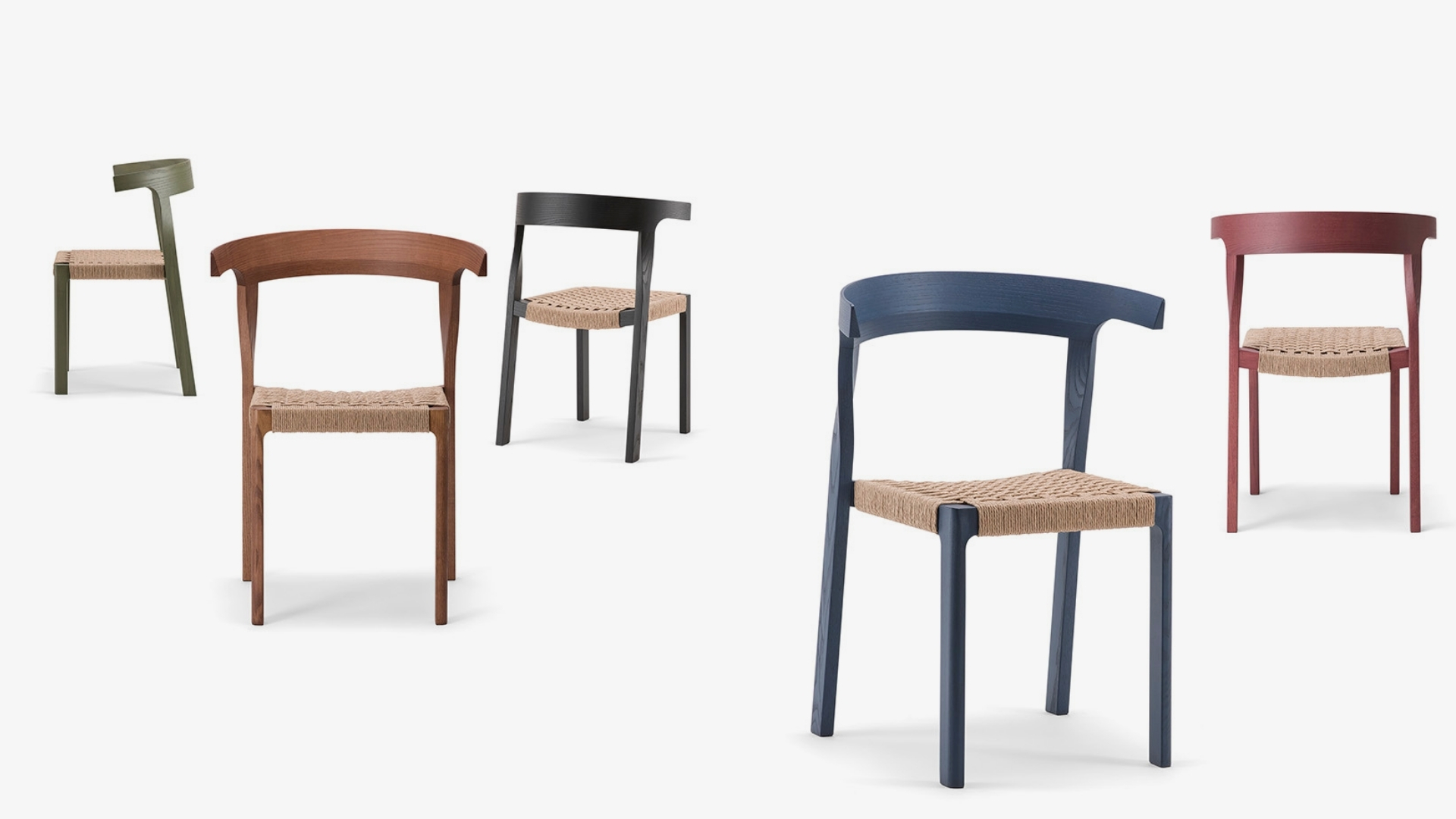
Collaboration zones are where teams come together to brainstorm, workshop, and problem-solve. They need to be flexible and reconfigurable — able to support both small group discussions and larger team sessions. Furniture for collaboration zones includes large meeting tables, modular lounge seating, writable surfaces, and mobile or stackable chairs that can be rearranged quickly.
Breakout Zones
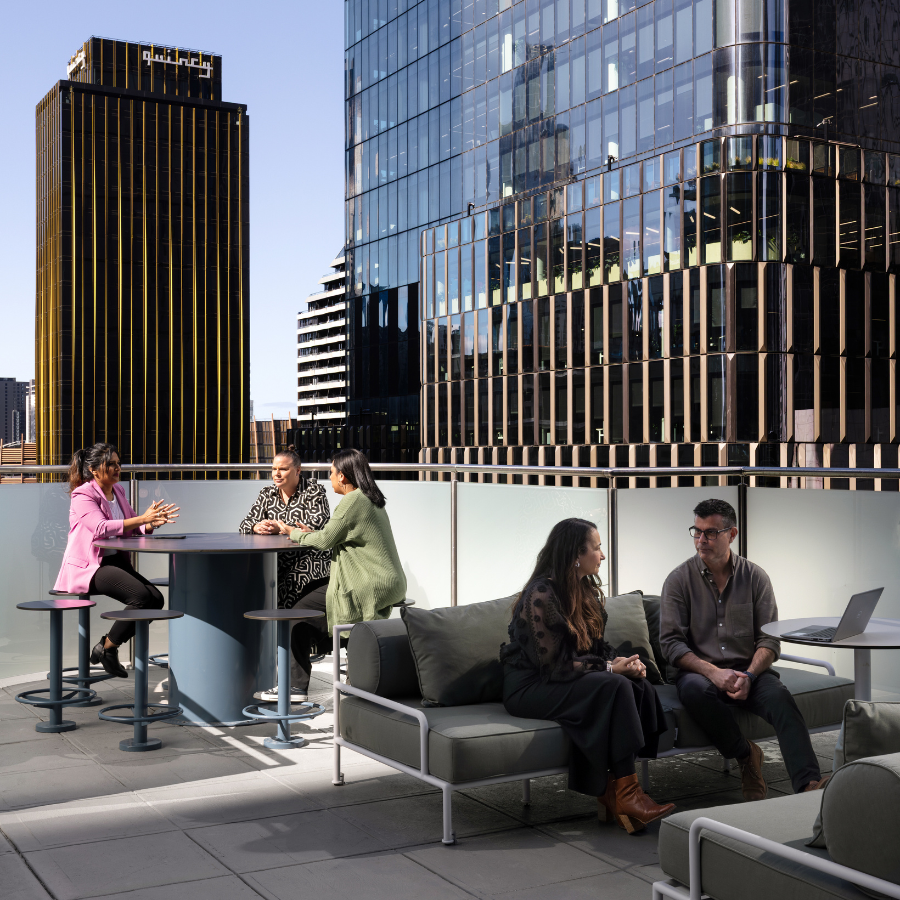
Breakout zones are informal spaces for casual conversations, quick catch-ups, and social connection. They should feel relaxed and welcoming — distinctly different from the more structured meeting room environment. Furniture for breakout zones includes lounge chairs, ottomans, modular sofa systems, coffee tables, and high tables with bar stools.
Quiet Zones
Quiet zones are for tasks that require focus but not the full privacy of a focus zone — reading, reviewing documents, taking phone calls, or working on a laptop independently. Comfortable lounge seating, individual armchairs, and small side tables work well here. Acoustic considerations are important.
Social Zones
The social zone is where employees eat, recharge, and connect informally. A well-designed social zone is one of the most important elements of a successful ABW workplace — it supports the human connections that make teams function well. Furniture for social zones includes dining tables and chairs, bar-height tables and stools, lounge seating, and a mix of formal and informal seating options.
Outdoor Zones
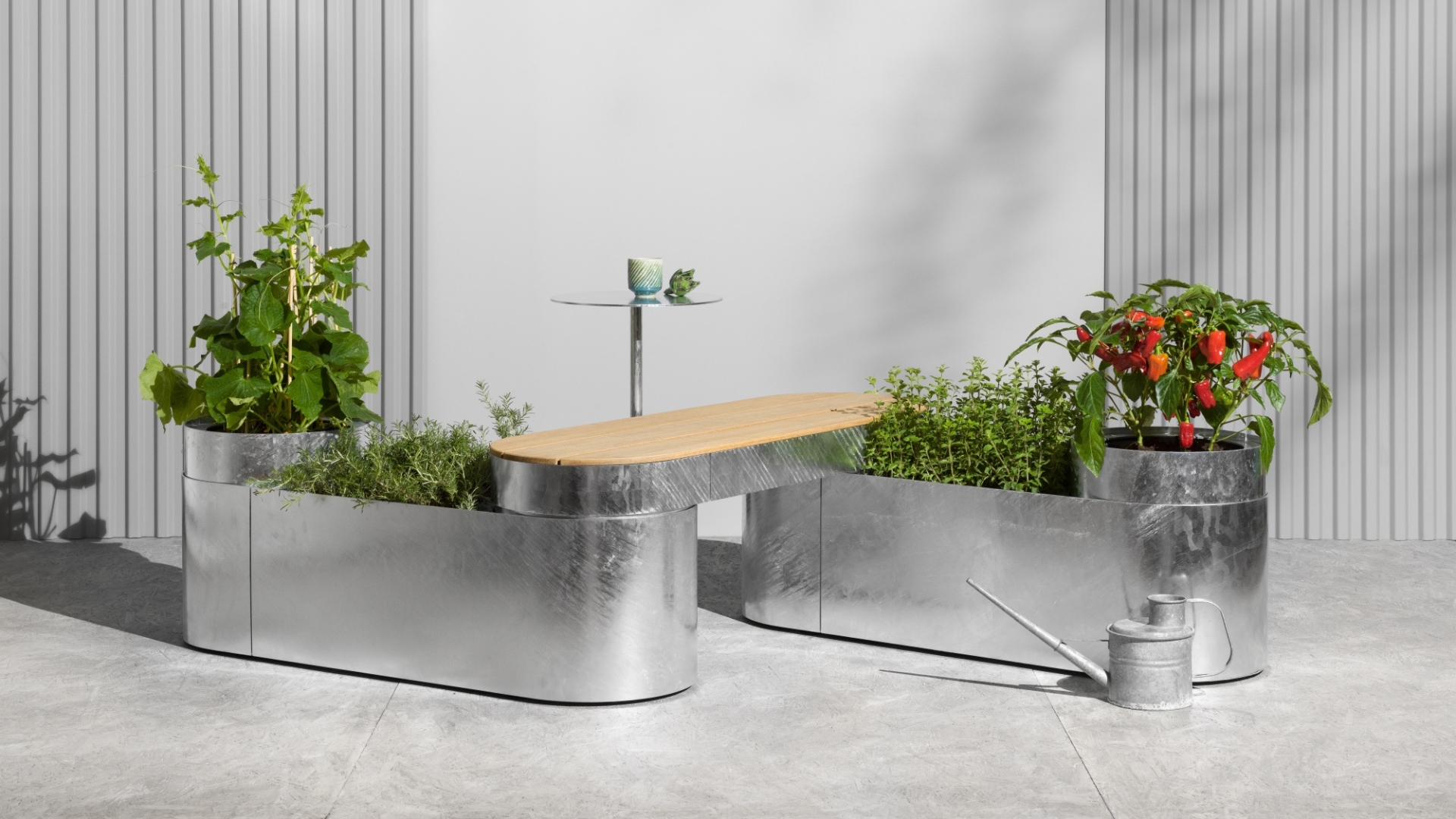
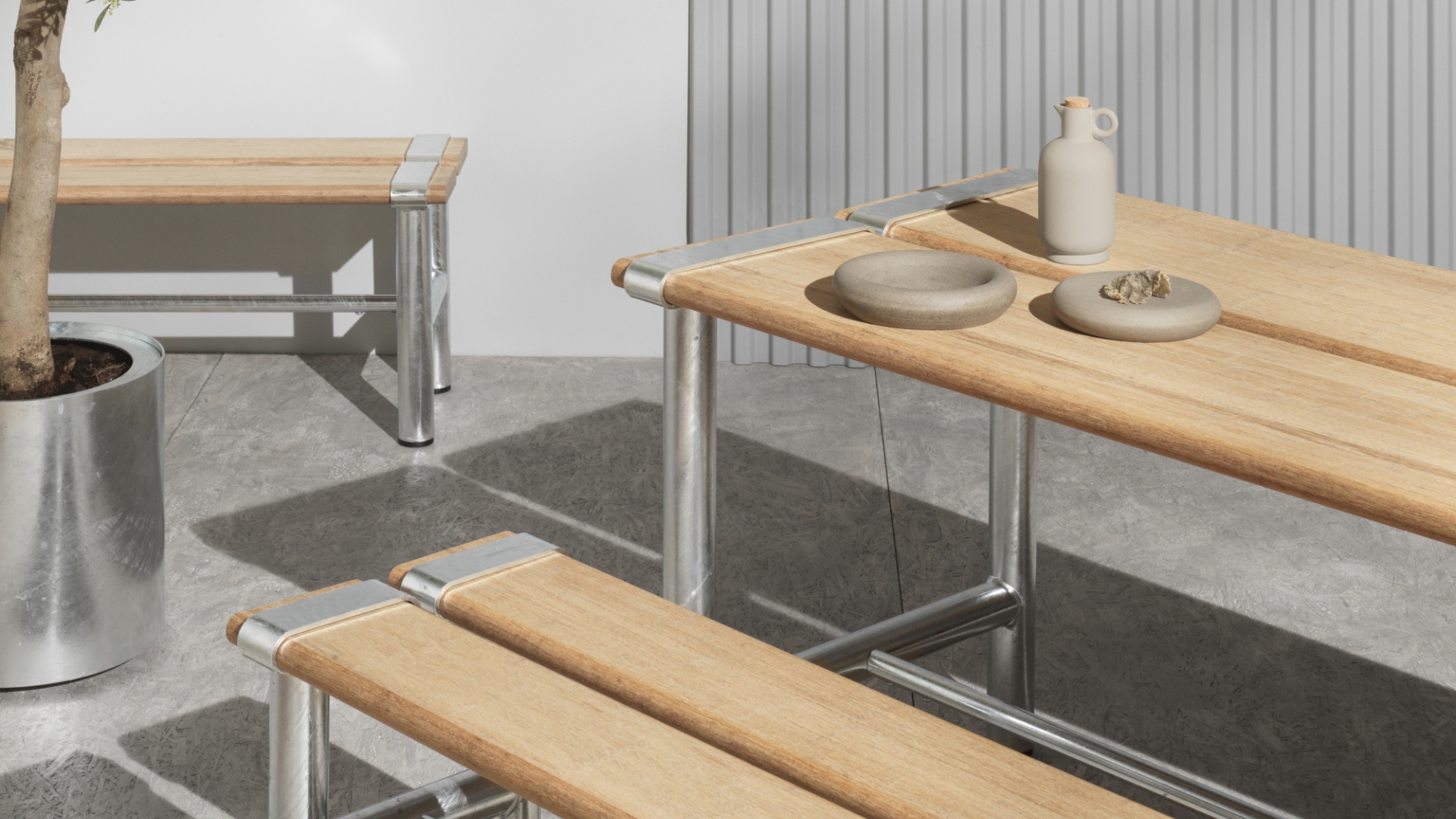
Increasingly, Australian offices are extending into outdoor terraces, rooftop spaces, and balconies as part of the ABW ecosystem. Outdoor workplace furniture needs to be commercial-grade and weather-resistant while still feeling considered and on-brand with the interior. Bolt-down outdoor furniture is often required for high-rise balcony applications.
What to Look for in ABW Office Furniture
Flexibility and reconfigurability
ABW furniture needs to move, adapt, and reconfigure as needs change throughout the day. Look for lightweight chairs, mobile tables with lockable castors, and modular lounge systems that can be rearranged without heavy lifting.
Ergonomic support
Just because furniture is flexible does not mean it should sacrifice ergonomic support. Task chairs in focus and quiet zones should provide proper lumbar support, adjustable seat height, and armrest options to support comfortable long-duration seating.
Acoustic performance
Open-plan ABW offices can be noisy. Upholstered furniture, acoustic screens, and soft furnishings all contribute to sound absorption and help create a more comfortable acoustic environment — particularly in focus and quiet zones.
Durability
Commercial office furniture in an ABW environment is used more intensively than traditional assigned-desk furniture — because everyone is using every piece of furniture rather than just one person using their own desk. Choose furniture with commercial-grade durability ratings and warranties.
Aesthetic cohesion
An ABW workplace with dozens of mismatched furniture pieces from different suppliers looks chaotic rather than considered. Work with a supplier who can deliver a fully coordinated furniture package across every zone — ensuring the space feels intentional and on-brand from end to end.
Common Mistakes in ABW Office Furniture Design
Not providing enough variety
An ABW office that only has desks and meeting rooms has missed the point. Employees need genuine variety — high tables, lounge seating, quiet nooks, and outdoor options — to make the choice meaningful.
Prioritising aesthetics over function
Beautiful furniture that is uncomfortable to sit in for more than twenty minutes will not be used. In an ABW office, employees will simply avoid furniture that does not support them well — defeating the purpose of providing variety.
Ignoring storage
When employees do not have assigned desks, they need somewhere to store their personal items. Lockers, mobile pedestals, and storage solutions are an essential part of any ABW furniture package.
Treating the outdoor zone as an afterthought
Outdoor terraces and balconies are among the most valued spaces in any Australian workplace. Investing in quality outdoor workplace furniture that matches the interior aesthetic transforms these spaces from underutilised to essential.
FAQ
Q: What does Activity Based Working mean?
A: Activity Based Working is a workplace design approach where employees choose from a variety of different work settings throughout the day — such as focus zones, collaboration areas, breakout lounges, and social spaces — rather than working from a single assigned desk. The goal is to match the work environment to the task being performed, improving productivity, collaboration, and employee wellbeing.
Q: Is Activity Based Working suitable for all businesses?
A: ABW works best for organisations where employees spend a significant portion of their time in tasks that benefit from different environments — such as focused work, team collaboration, and informal communication. It is less suited to roles that require employees to be at a fixed workstation with specific equipment all day. The key is to design an ABW environment that genuinely reflects how your team works rather than simply adopting the aesthetic without the function.
Q: How much space do you need for an Activity Based Working office?
A: ABW offices are often more space-efficient than traditional assigned-desk layouts because not all employees are in the office at the same time. A well-designed ABW workplace typically provides between six and eight workpoints per ten employees, supplemented by a variety of collaboration, breakout, and social spaces. A furniture consultant can help you determine the right mix for your organisation.
Q: What is the most important furniture in an ABW office?
A: Every zone matters, but the quality of your task seating in focus zones is arguably the most critical investment. Employees who spend sustained periods in focused work need proper ergonomic support — poor task chairs lead to discomfort, reduced productivity, and long-term health issues. After task seating, the quality and variety of your breakout and collaboration furniture is what determines whether employees genuinely embrace the ABW model or default to sitting at a desk all day.
Q: How do you maintain a clean desk policy in an ABW office?
A: A clean desk policy requires a combination of adequate personal storage solutions — lockers, mobile pedestals, secure personal storage — and a clear organisational commitment from leadership. The furniture strategy needs to include enough storage options so that employees have a practical and accessible place for their belongings before a clean desk policy can be effectively enforced.
Q: Can Lain supply a complete ABW furniture package?
A: Yes — Lain supplies complete Activity Based Working furniture packages for Australian offices and workplaces, covering every zone from focus and collaboration areas to breakout lounges, social spaces, and outdoor terraces. We work closely with architects, interior designers, and project managers from initial brief through to delivery and installation.
